Autonomous Vehicle
Autonomous Vehicle
Autonomous Vehicle
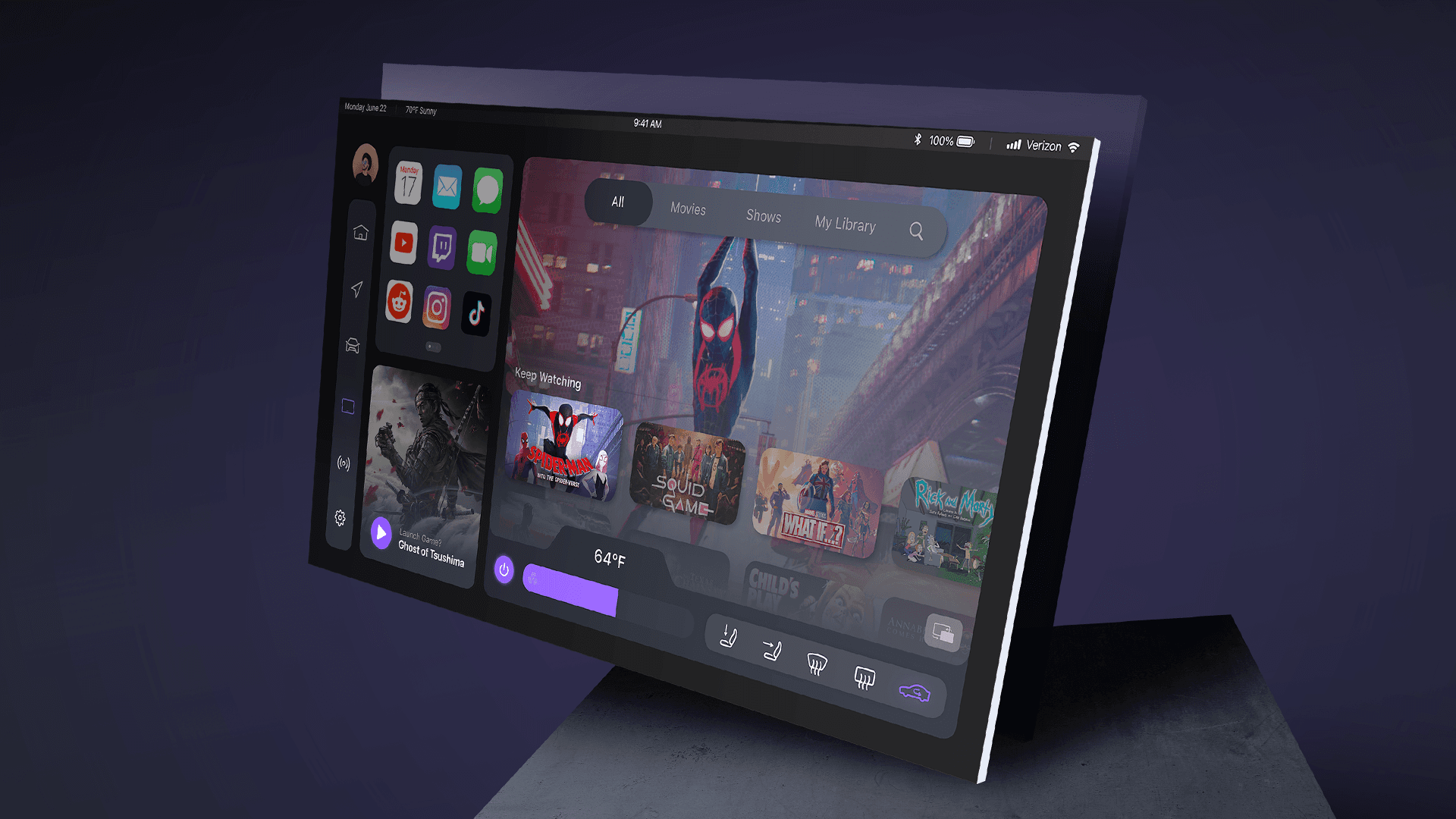
I designed the user experience and interface for an autonomous vehicle aimed at redefining how users interact with self-driving technology. The concept centers on giving users valuable time back—whether for work, entertainment, or relaxation— that would otherwise be spent behind the wheel.
I designed the user experience and interface for an autonomous vehicle aimed at redefining how users interact with self-driving technology. The concept centers on giving users valuable time back—whether for work, entertainment, or relaxation— that would otherwise be spent behind the wheel.
I designed the user experience and interface for an autonomous vehicle aimed at redefining how users interact with self-driving technology. The concept centers on giving users valuable time back—whether for work, entertainment, or relaxation— that would otherwise be spent behind the wheel.
Role
Role
Role
User Experience, Visual Design, Prototyping
User Experience, Visual Design, Prototyping
User Experience, Visual Design, Prototyping
Timeline
Timeline
Timeline
Aug 2021 - Oct 2021
Aug 2021 - Oct 2021
Aug 2021 - Oct 2021
ABOUT THE PROJECT
ABOUT THE PROJECT
This project explores the idea: what if individuals could own their own self-driving vehicles? What would the user experience look like, and how would people interact with such a system? These are the questions this project focuses on, that guides the user experience and interface for a conceptual autonomous vehicle.
This project explores the idea: what if individuals could own their own self-driving vehicles? What would the user experience look like, and how would people interact with such a system? These are the questions this project focuses on, that guides the user experience and interface for a conceptual autonomous vehicle.
This project explores the idea: what if individuals could own their own self-driving vehicles? What would the user experience look like, and how would people interact with such a system? These are the questions this project focuses on, that guides the user experience and interface for a conceptual autonomous vehicle.
The Challenge
The Challenge
While autonomous vehicles are gradually entering the market, fully self-driving vehicles have yet to become a reality. The challenge lies in designing an experience that feel both intuitive and modern, while incorporating familiar controls to ensure ease of use for the driver.
While autonomous vehicles are gradually entering the market, fully self-driving vehicles have yet to become a reality. The challenge lies in designing an experience that feel both intuitive and modern, while incorporating familiar controls to ensure ease of use for the driver.
Responsibilities
Responsibilities
Conducted research and UX design for a tablet interface integrated into a vehicle.
Led user surveys to gather feedback and identify pain points, which informed the creation of detailed personas.
Compared competitors to identify pain points in existing solutions and identified successful design patterns.
Designed and iterated on wireframes, progressing from low-fidelity concepts to high-fidelity interactive prototypes.
Conducted research and UX design for a tablet interface integrated into a vehicle.
Led user surveys to gather feedback and identify pain points, which informed the creation of detailed personas.
Compared competitors to identify pain points in existing solutions and identified successful design patterns.
Designed and iterated on wireframes, progressing from low-fidelity concepts to high-fidelity interactive prototypes.
RESEARCH & DISCOVERY
RESEARCH & DISCOVERY
I kicked off the project by exploring industry leaders that offer cruise control or autopilot features, with the goal of understanding current user experiences, identifying pain points, and uncovering best practices.
I kicked off the project by exploring industry leaders that offer cruise control or autopilot features, with the goal of understanding current user experiences, identifying pain points, and uncovering best practices.
I kicked off the project by exploring industry leaders that offer cruise control or autopilot features, with the goal of understanding current user experiences, identifying pain points, and uncovering best practices.
Audi E-Tron GT
Audi E-Tron GT
During my visit to an Audi dealership, I had the opportunity to interact with several of their electric vehicles and test their dashboard interfaces. While the interface was generally intuitive, I encountered a few notable pain points. The system felt overly complex, with too many interactions required, making it difficult to navigate—especially while driving. Additionally, the design appeared outdated and leaned heavily into a sporty aesthetic that may not appeal to all users. I also observed an inconsistent mix of touchscreen elements with physical knobs and buttons, which created a lack of cohesion in the overall user experience.
During my visit to an Audi dealership, I had the opportunity to interact with several of their electric vehicles and test their dashboard interfaces. While the interface was generally intuitive, I encountered a few notable pain points. The system felt overly complex, with too many interactions required, making it difficult to navigate—especially while driving. Additionally, the design appeared outdated and leaned heavily into a sporty aesthetic that may not appeal to all users. I also observed an inconsistent mix of touchscreen elements with physical knobs and buttons, which created a lack of cohesion in the overall user experience.
Ford Mach-E
Ford Mach-E
At the Ford dealership, I explored the Mach-E and found its interface to be more modern and intuitive compared to the Audi electric vehicles. The Mach-E features a large central tablet that integrates cabin controls directly into the interface, creating a more streamlined experience. However, I did notice some usability issues. The touch targets, such as icons, were relatively small, which could pose challenges for users trying to interact with them while driving. Additionally, some screens felt cluttered with information, potentially overwhelming users and distracting from the driving experience.
At the Ford dealership, I explored the Mach-E and found its interface to be more modern and intuitive compared to the Audi electric vehicles. The Mach-E features a large central tablet that integrates cabin controls directly into the interface, creating a more streamlined experience. However, I did notice some usability issues. The touch targets, such as icons, were relatively small, which could pose challenges for users trying to interact with them while driving. Additionally, some screens felt cluttered with information, potentially overwhelming users and distracting from the driving experience.
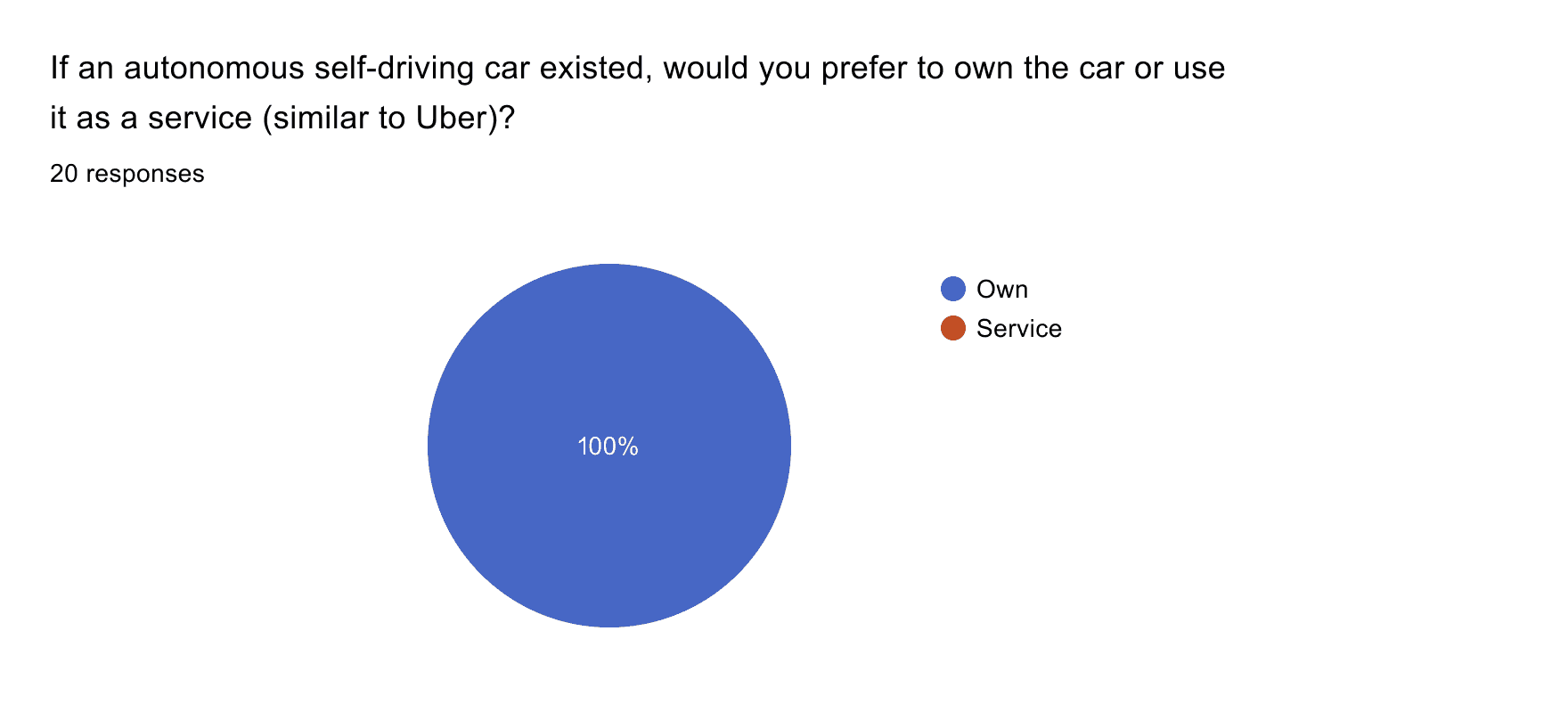
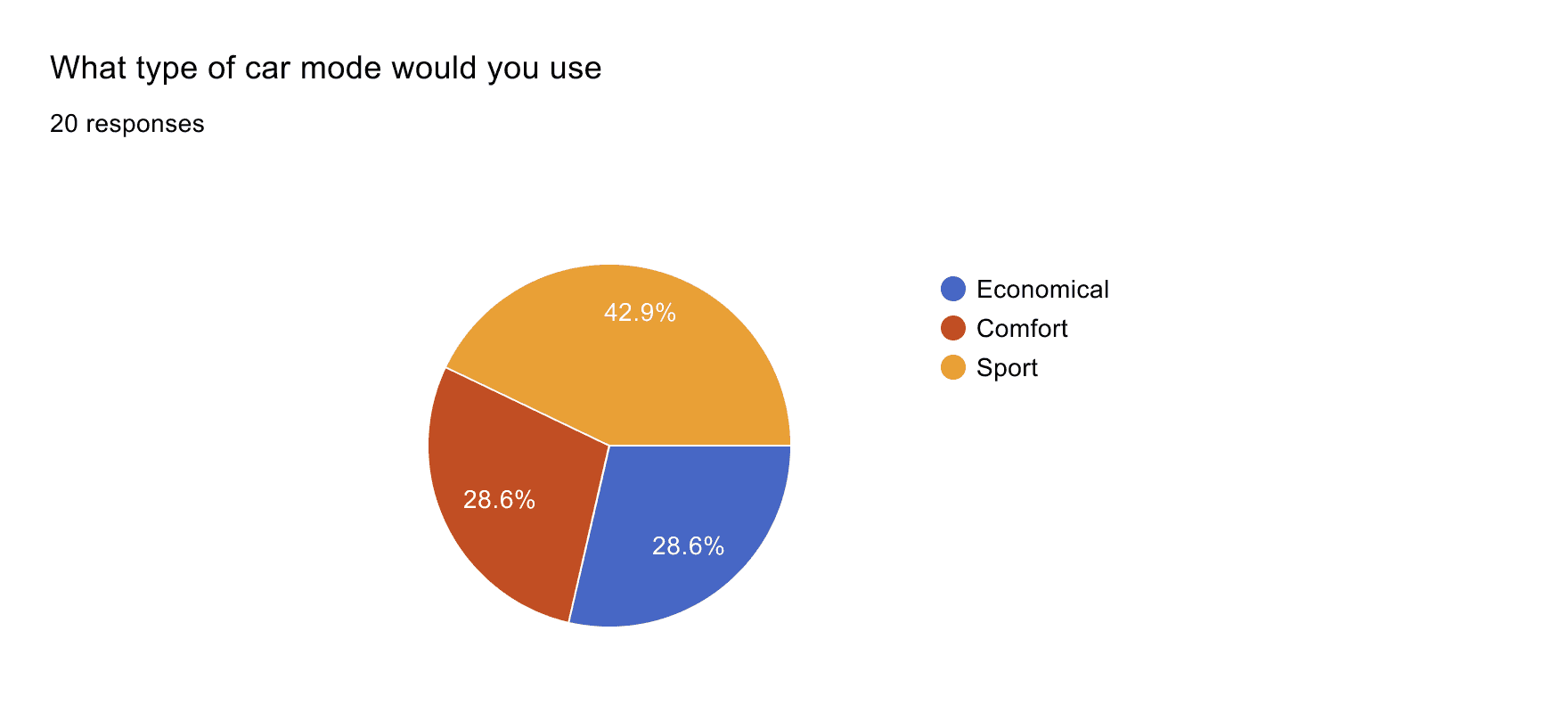
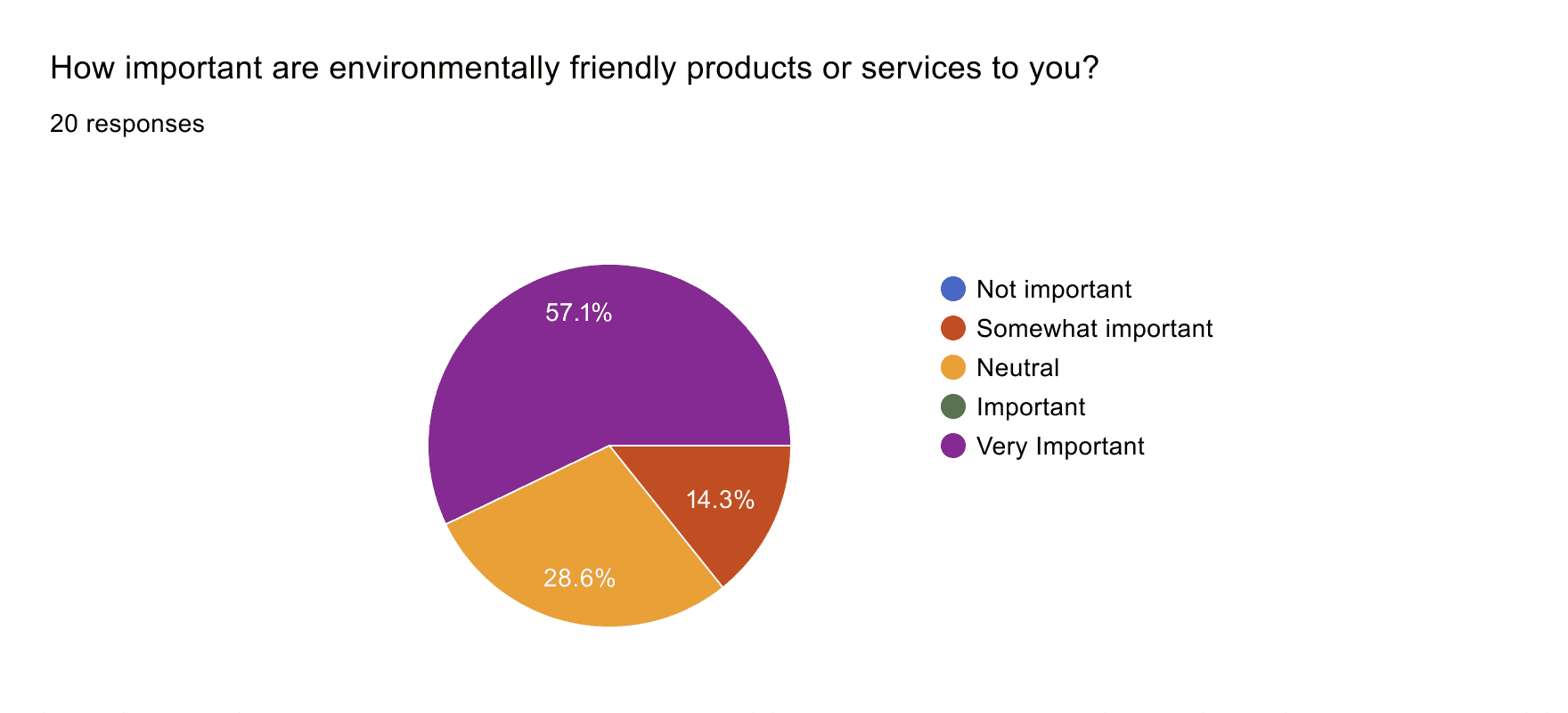
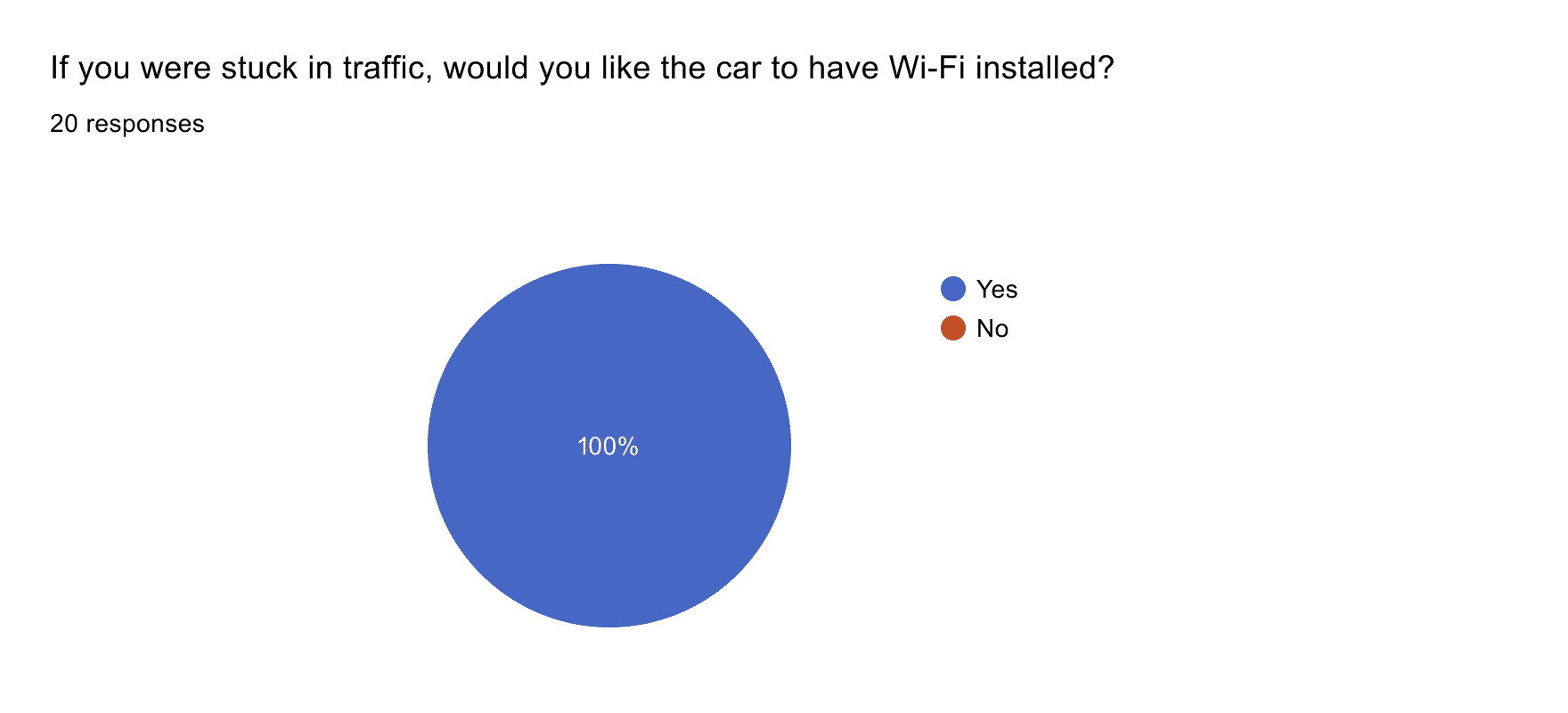
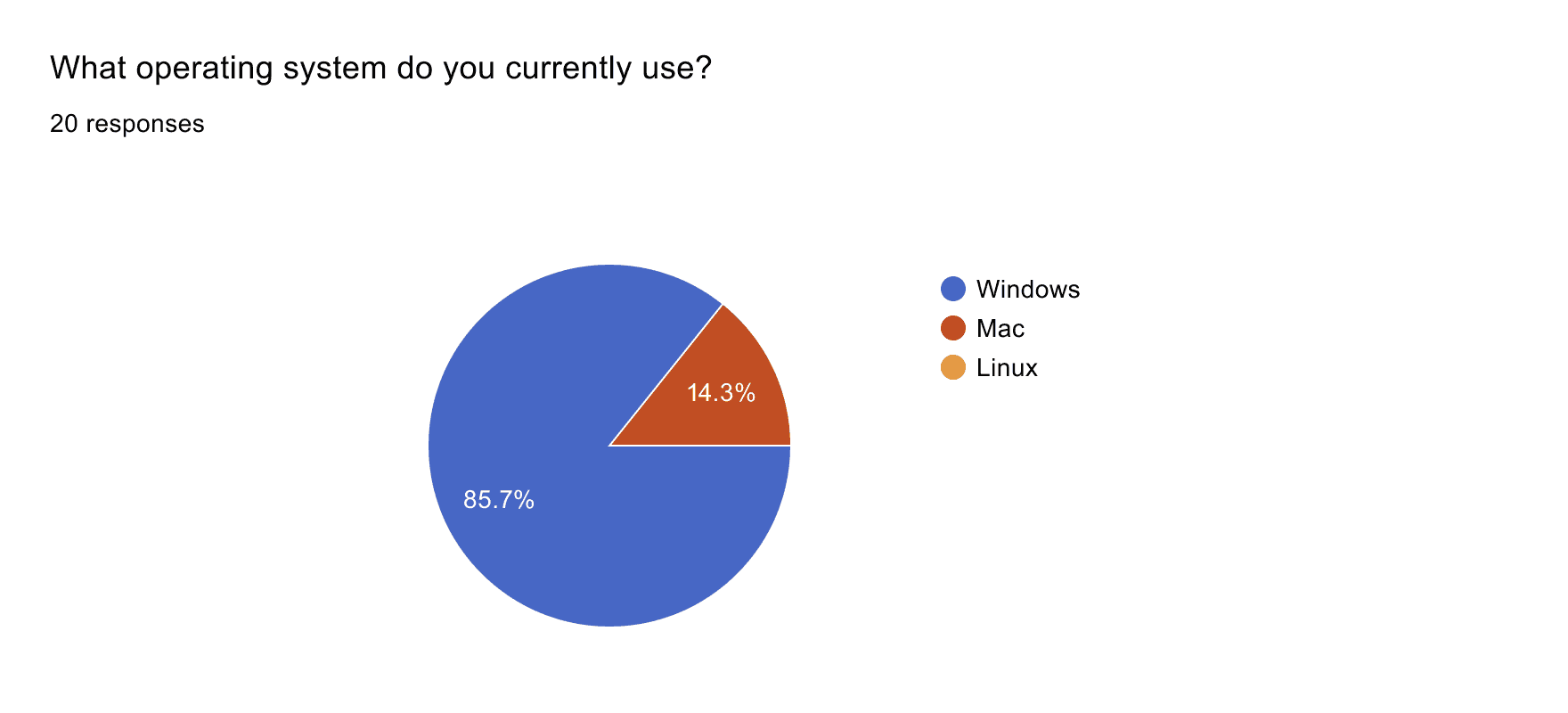
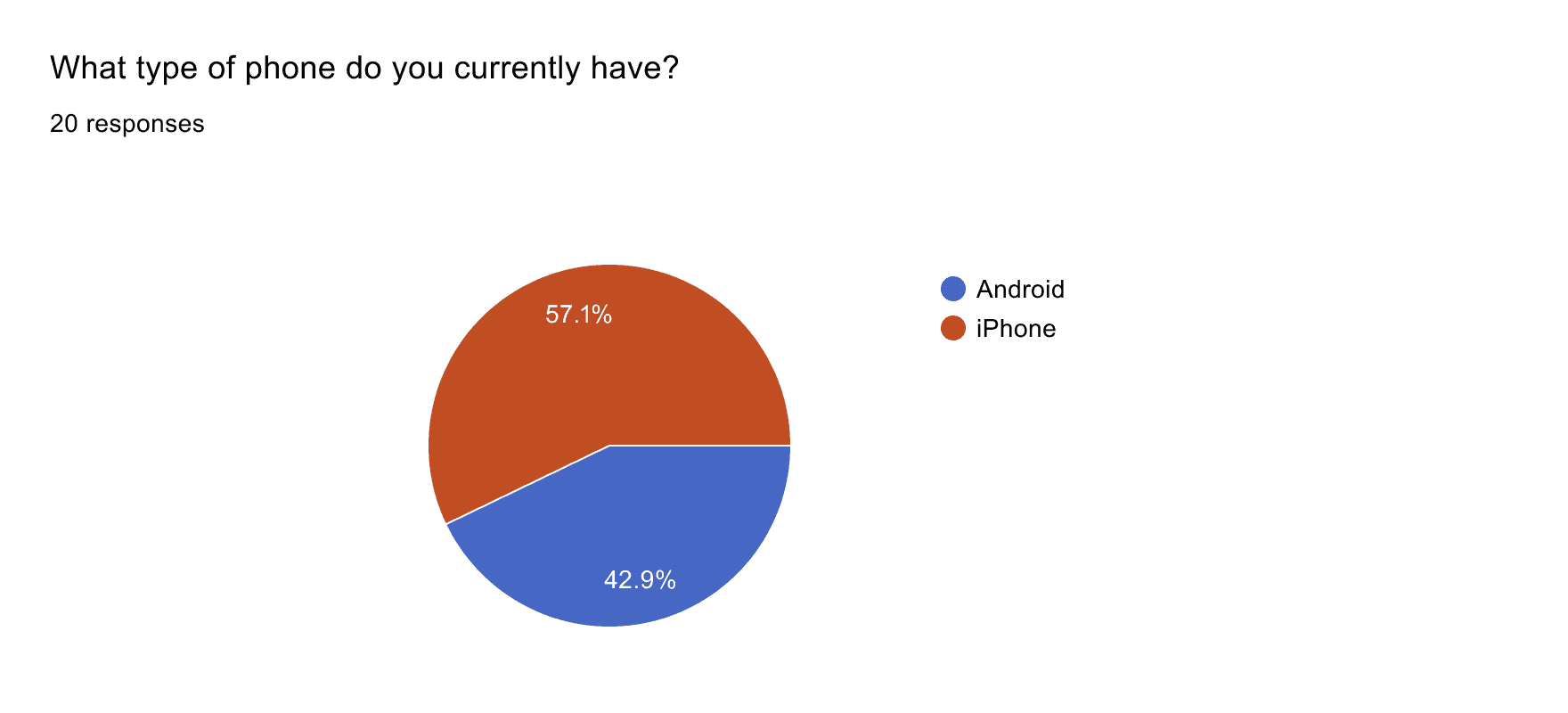
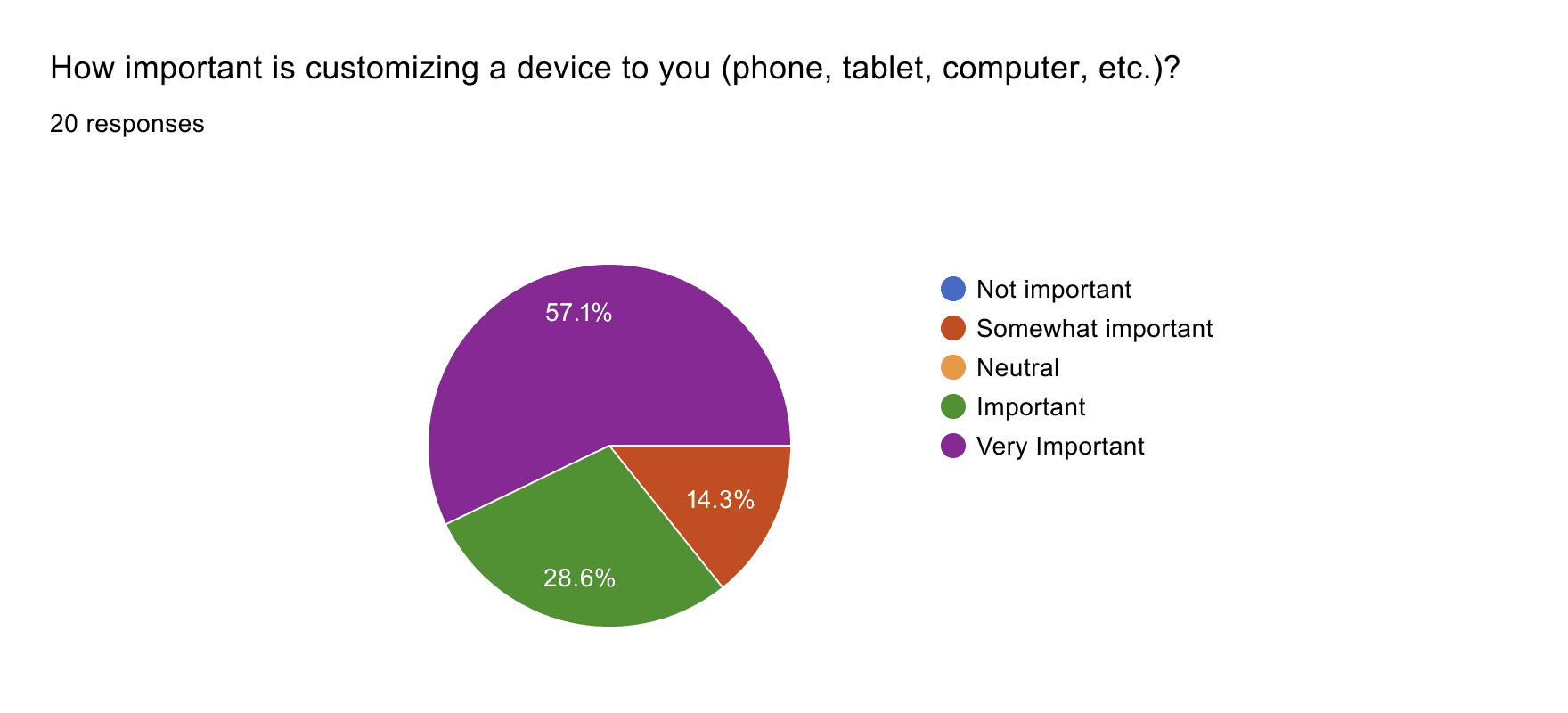
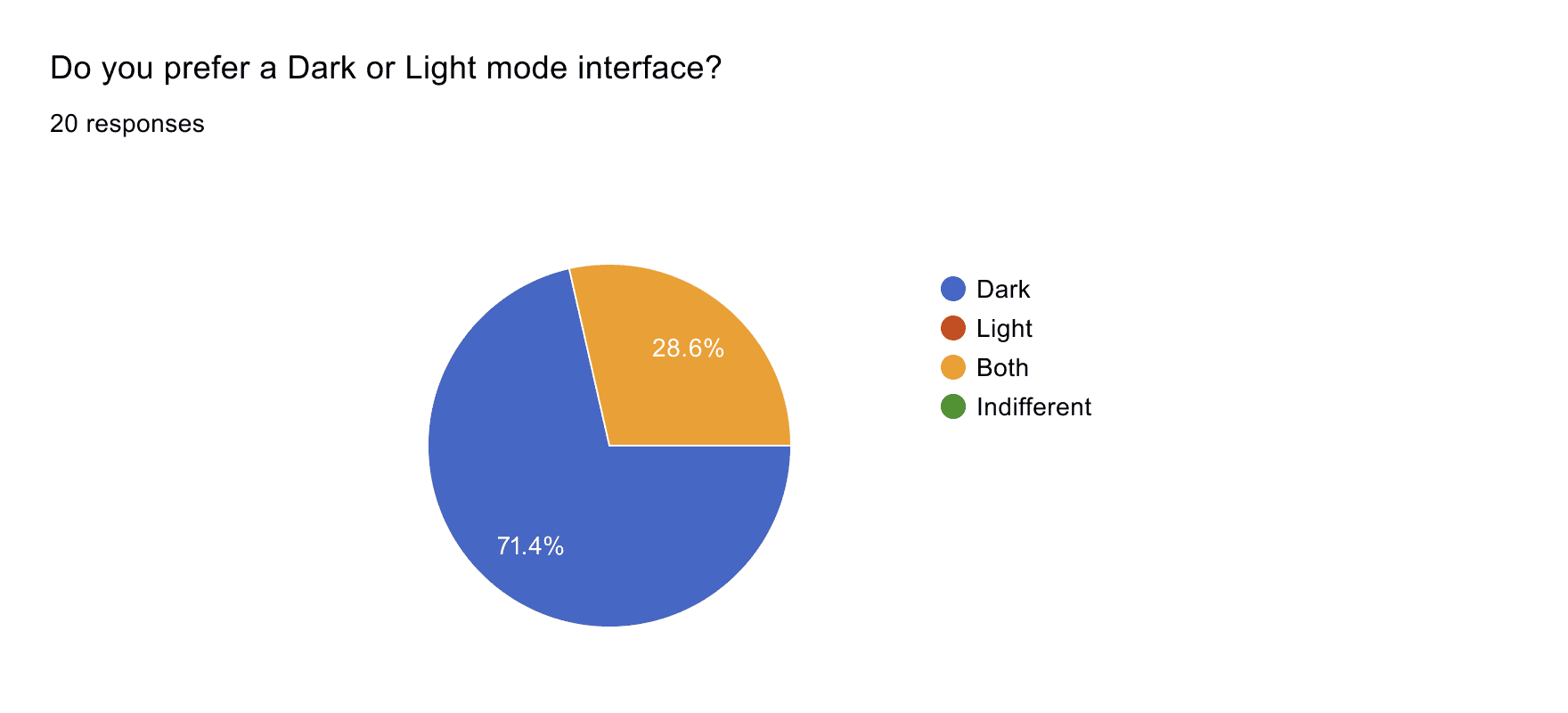
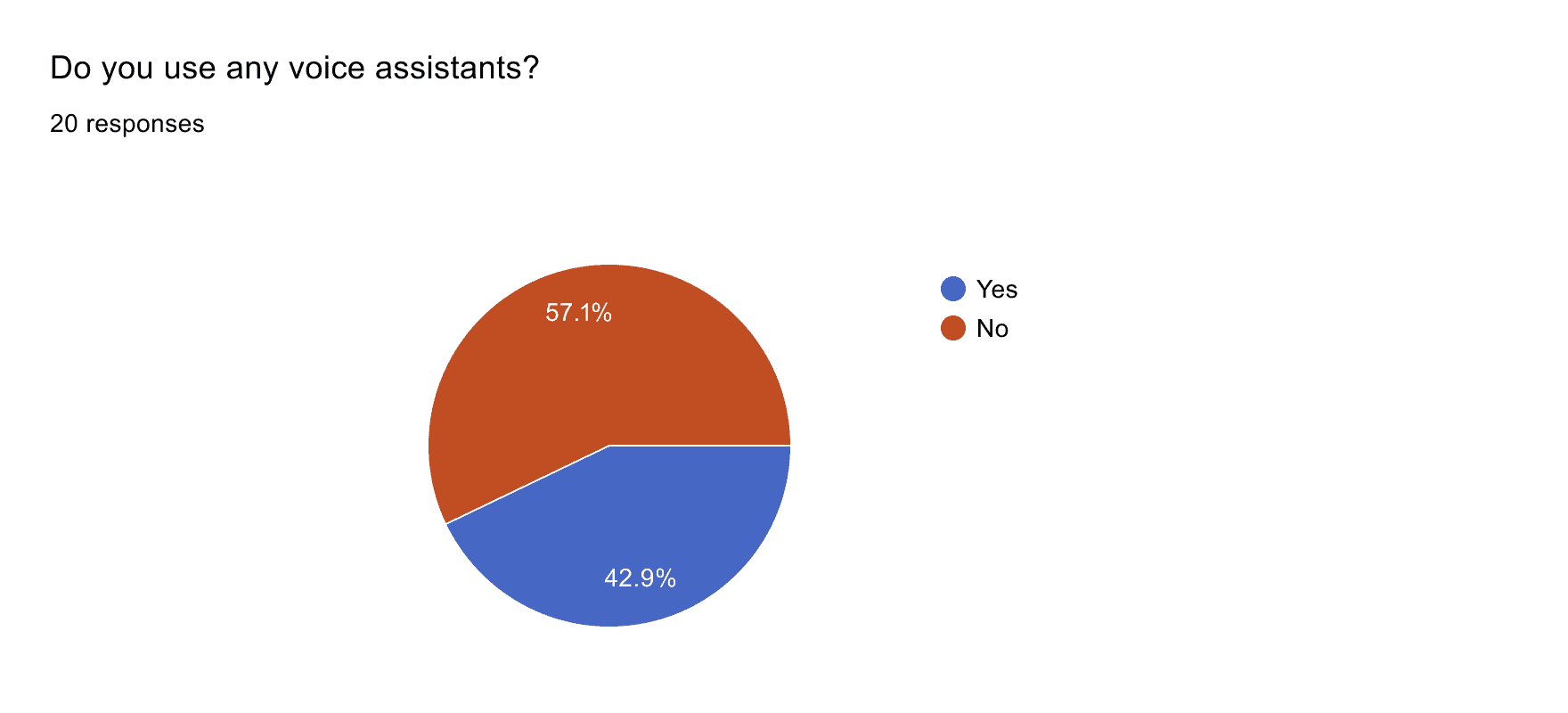
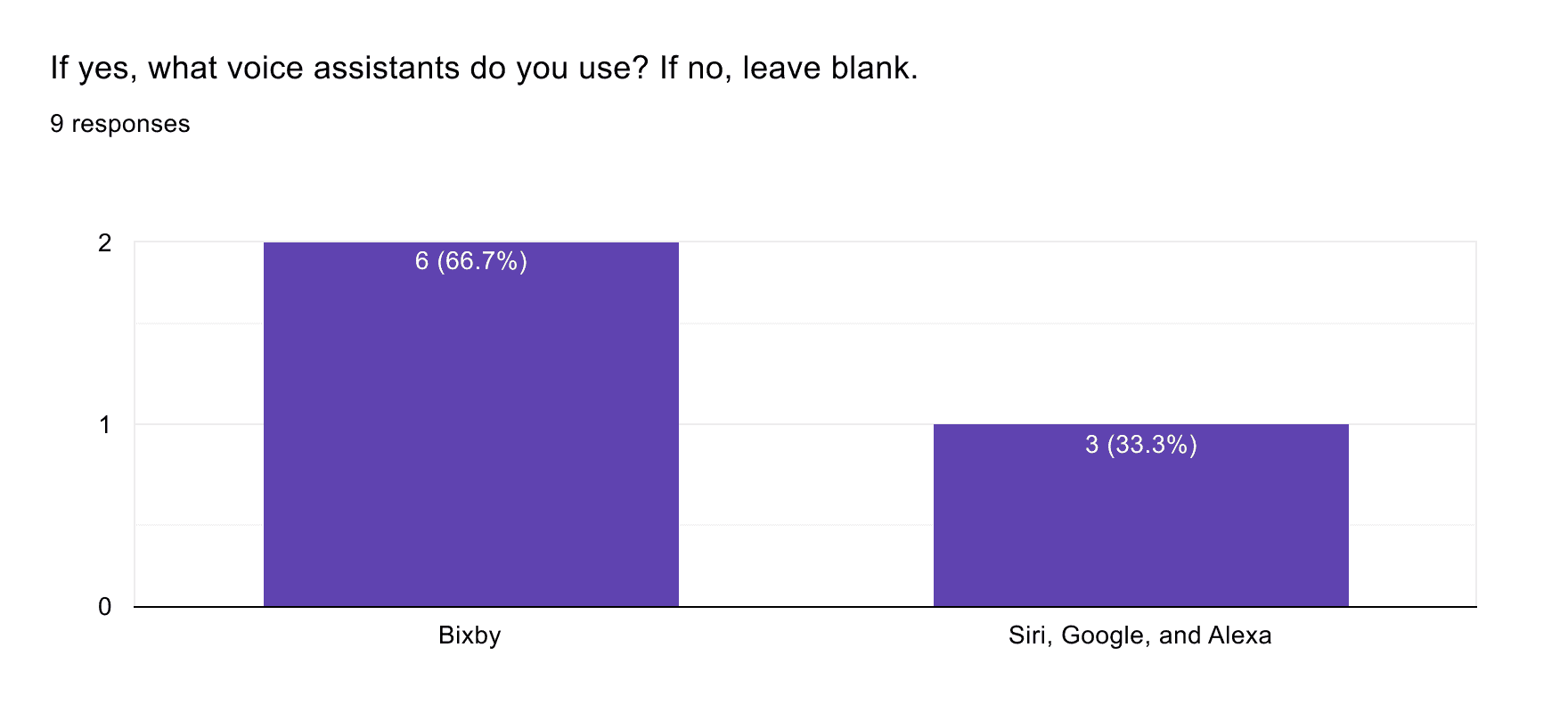
To gain insight into user expectations, a survey was distributed to 20 participants. The survey explored their current driving habits and included hypothetical questions to better understand how users envision utilizing a theoretical autonomous vehicle.
To gain insight into user expectations, a survey was distributed to 20 participants. The survey explored their current driving habits and included hypothetical questions to better understand how users envision utilizing a theoretical autonomous vehicle.
Findings 1
Findings 1
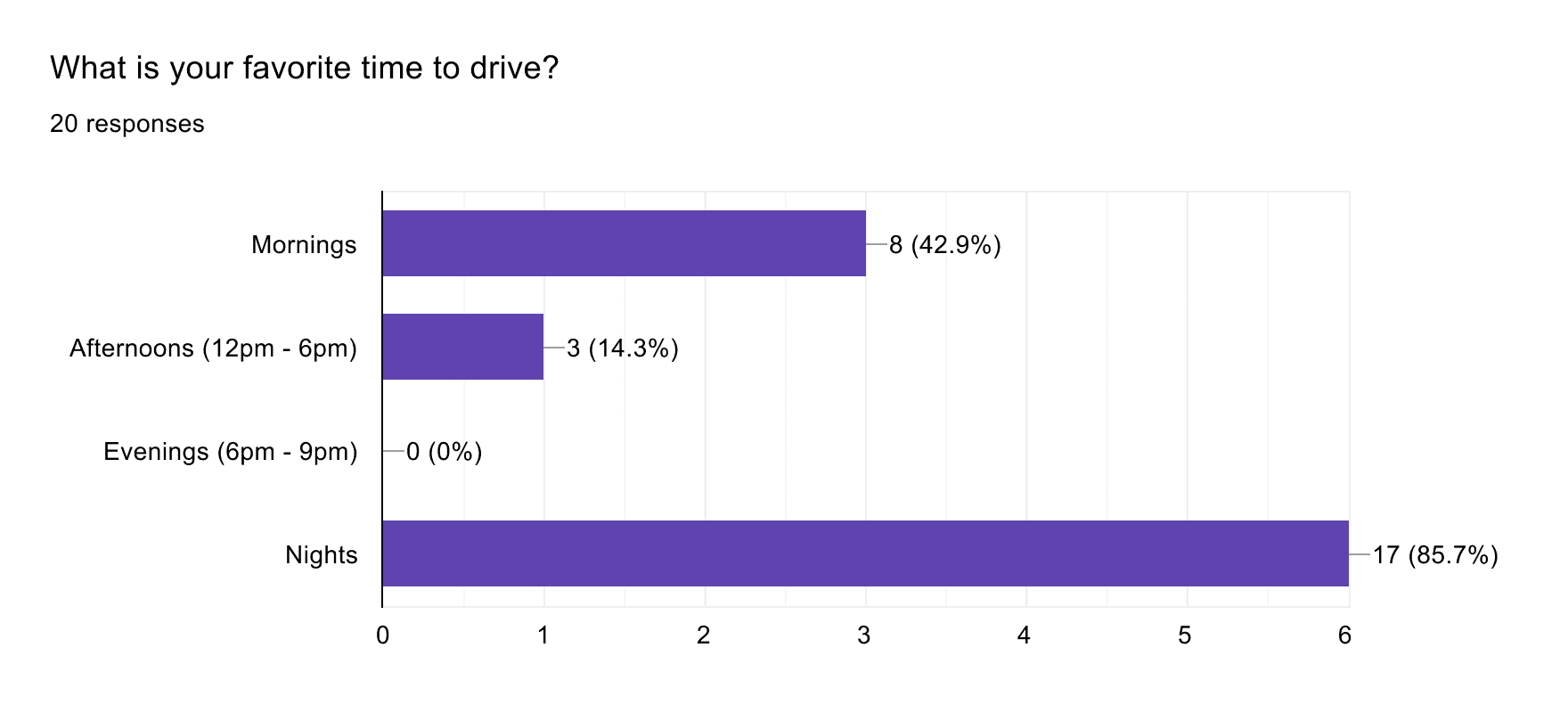
85.7% of users preferred to drive during the night.
85.7% of users preferred to drive during the night.
Findings 2
Findings 2
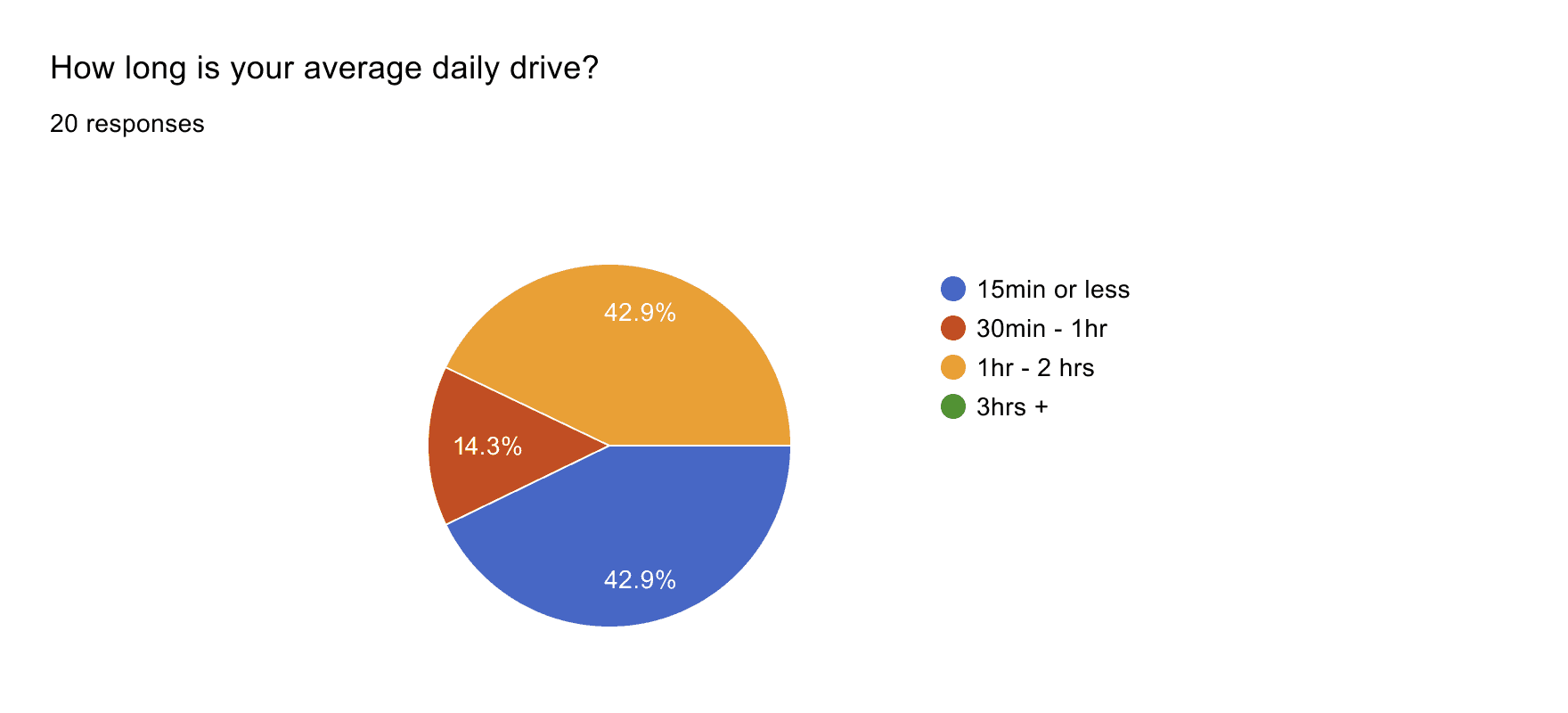
A typical commute is around 1 - 2 hours for most users.
A typical commute is around 1 - 2 hours for most users.
Findings 3
Findings 3
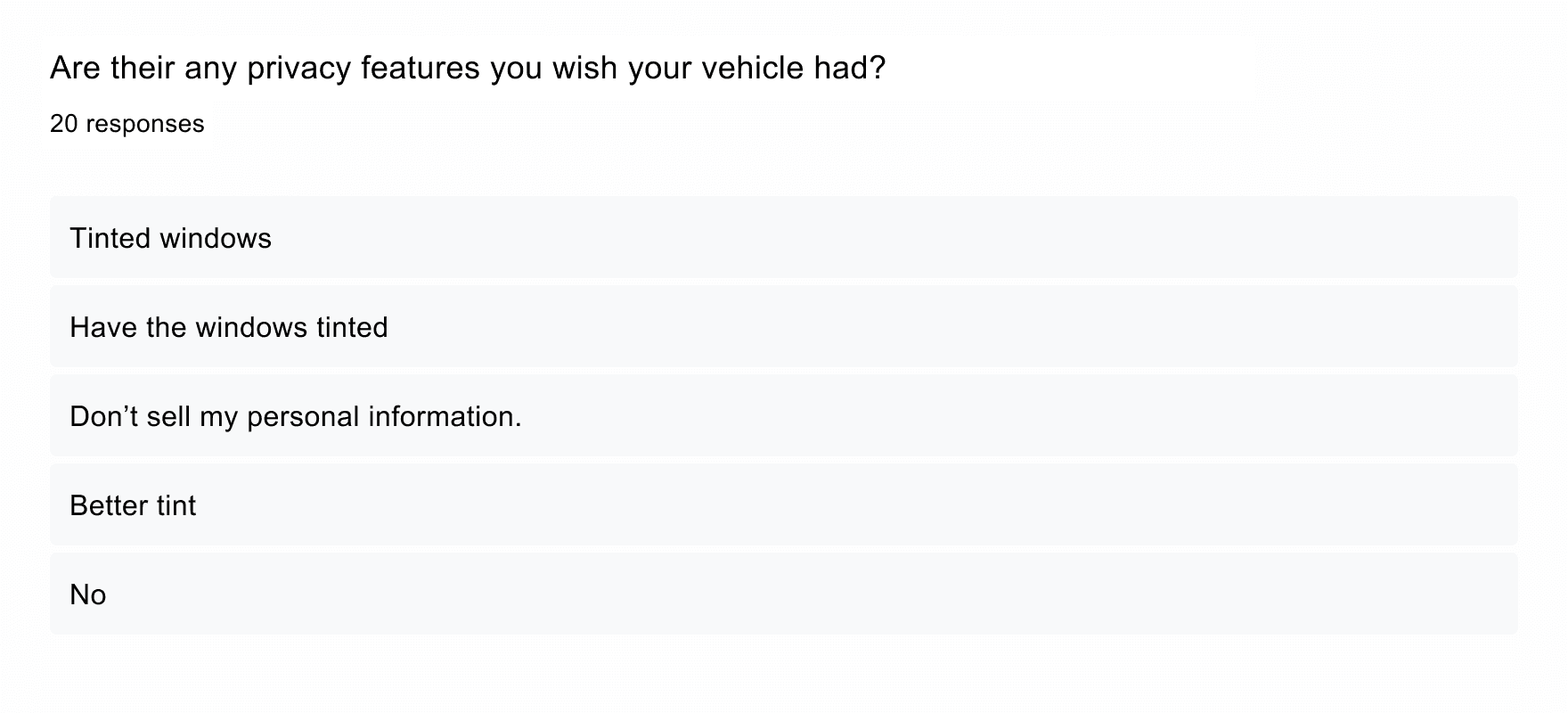
Tinted windows are a highly requested privacy feature.
Tinted windows are a highly requested privacy feature.
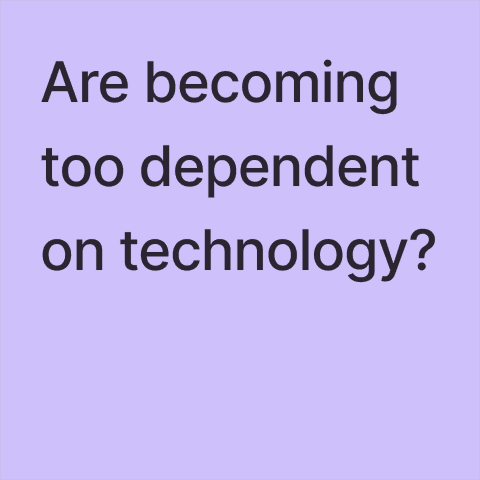
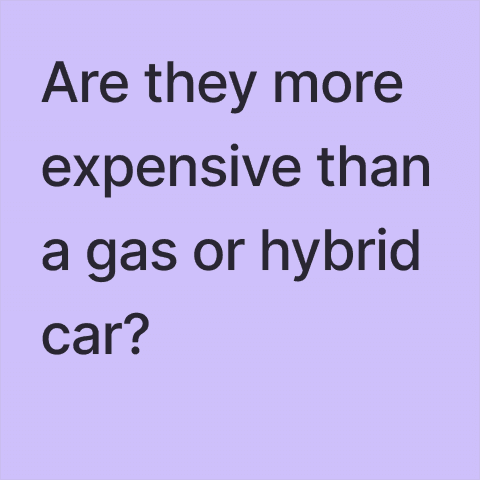
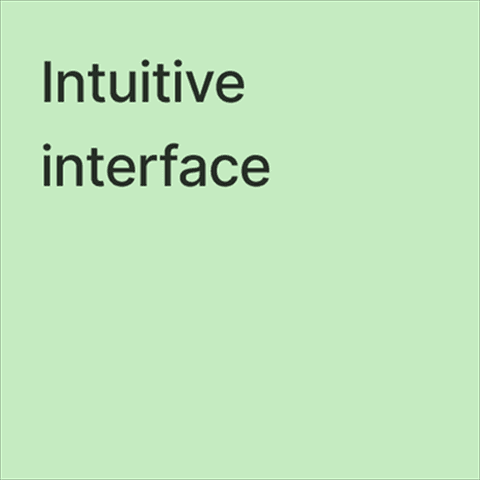
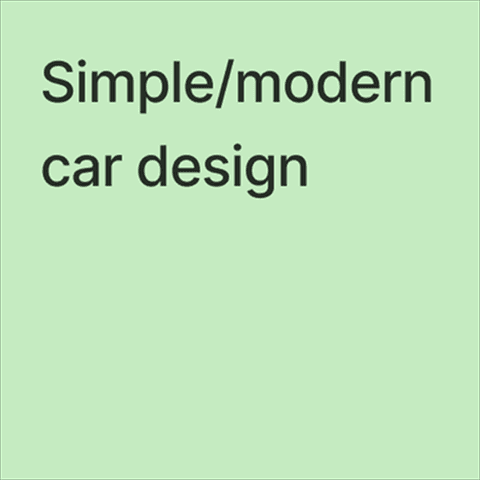
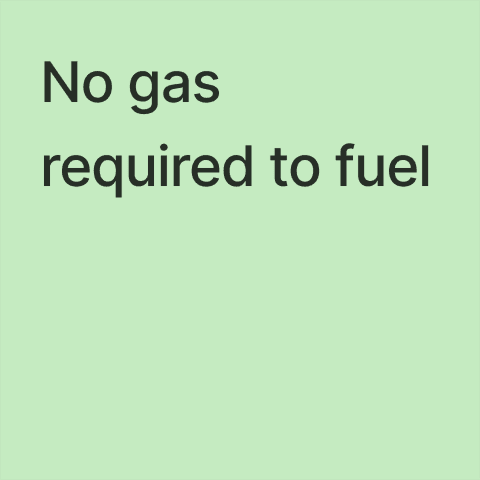
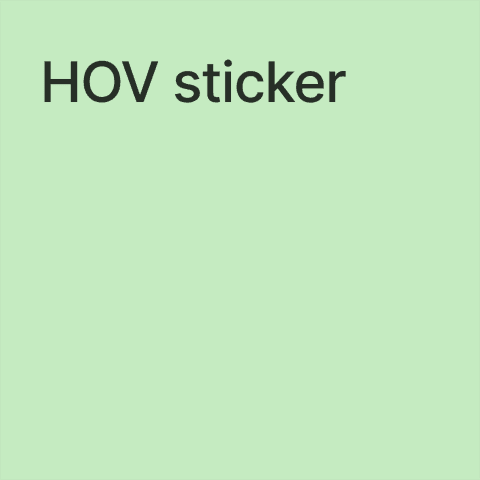
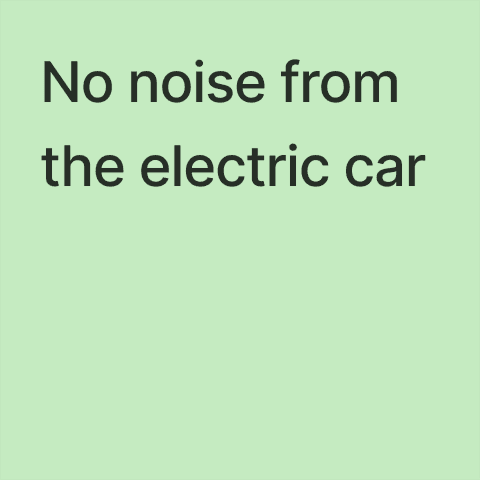
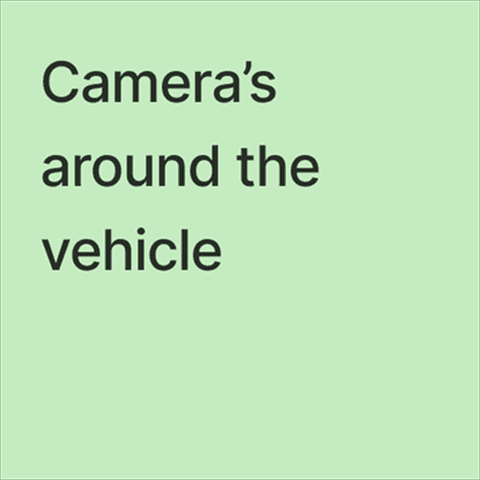
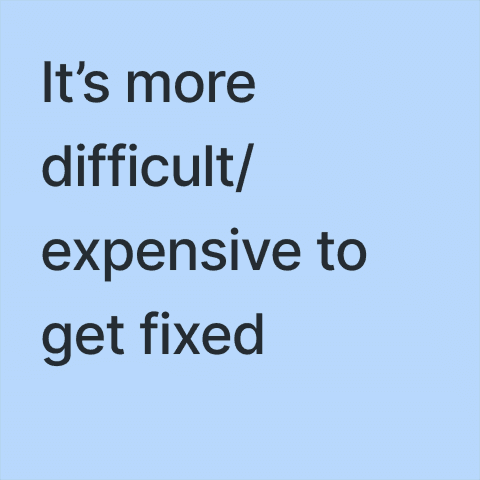
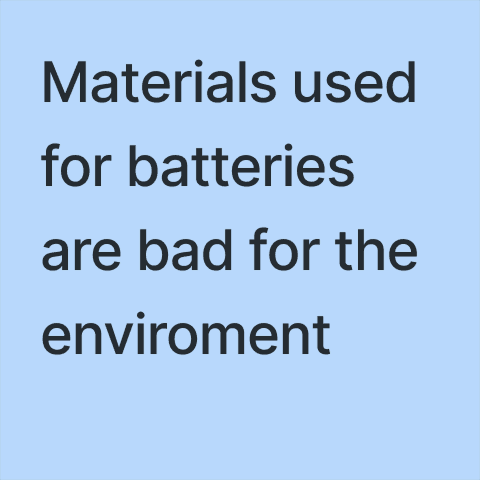
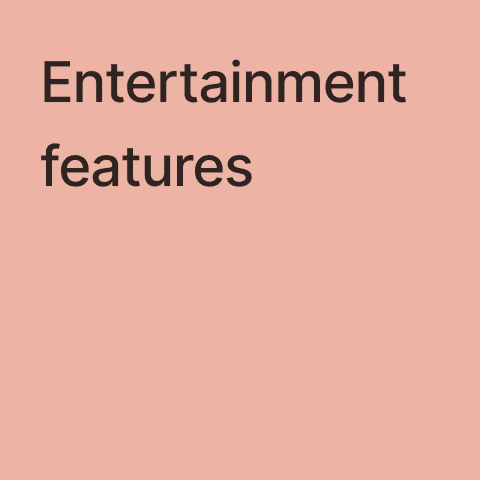
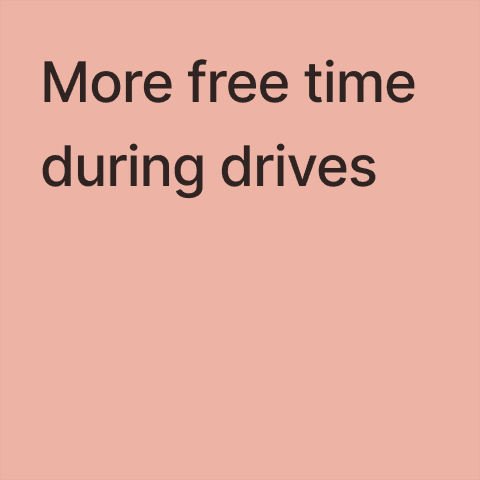
In addition to these insights, users emphasized the importance of having a reliable self-driving system in order to build trust with brands. Many also showed interest in making the most of the extra time gained during long commutes, with as strong desire for privacy throughout the drive. Based off these, I then worked on creating an empathy map to get into the mind of the user and their thoughts on the reliability of an autonomous vehicle.
In addition to these insights, users emphasized the importance of having a reliable self-driving system in order to build trust with brands. Many also showed interest in making the most of the extra time gained during long commutes, with as strong desire for privacy throughout the drive. Based off these, I then worked on creating an empathy map to get into the mind of the user and their thoughts on the reliability of an autonomous vehicle.
Thinking

Seeing / Hearing


Pain Points
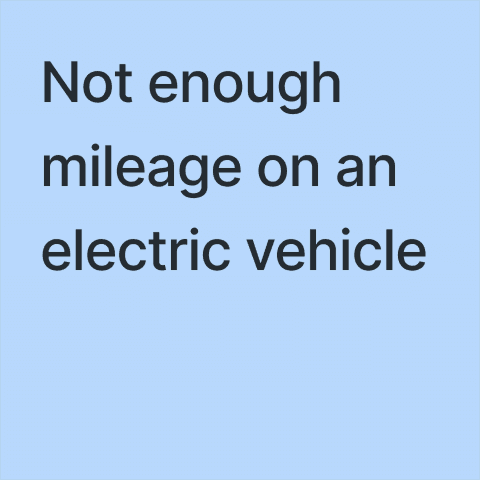
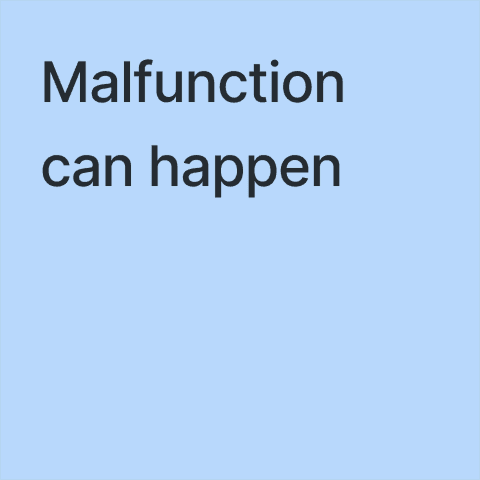

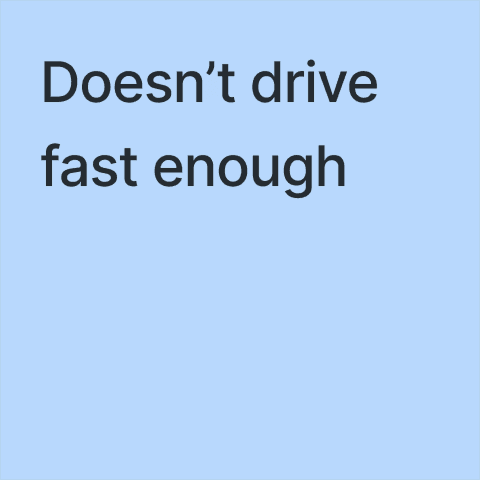

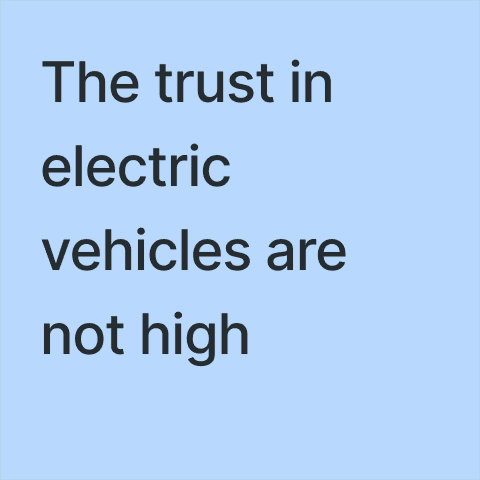
Gain / Wants


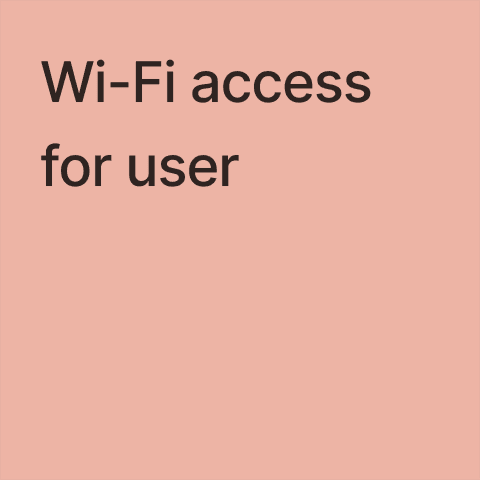
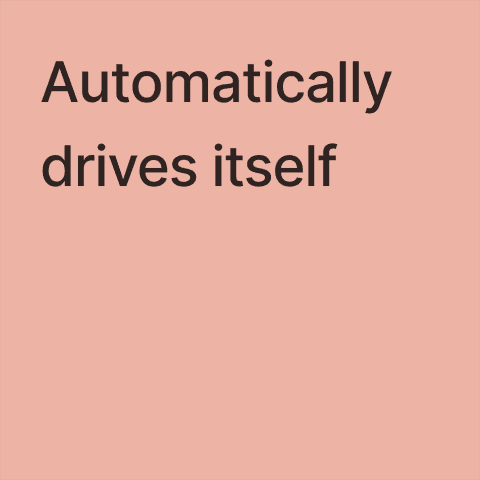


Thinking
Seeing / Hearing
Pain Points
Gain / Wants
Thinking
Seeing / Hearing
Pain Points
Gain / Wants
Thinking
Seeing / Hearing
Pain Points
Gain / Wants
Thinking
Seeing / Hearing
Pain Points
Gain / Wants
Thinking
Seeing / Hearing
Pain Points
Gain / Wants
Thinking
Seeing / Hearing
Pain Points
Gain / Wants
Thinking
Seeing / Hearing
Pain Points
Gain / Wants
Thinking
Seeing / Hearing
Pain Points
Gain / Wants
Thinking
Seeing / Hearing
Pain Points
Gain / Wants
Thinking
Seeing / Hearing
Pain Points
Gain / Wants
Thinking
Seeing / Hearing
Pain Points
Gain / Wants
Thinking
Seeing / Hearing
Pain Points
Gain / Wants
Thinking
Seeing / Hearing
Pain Points
Gain / Wants
Thinking
Seeing / Hearing
Pain Points
Gain / Wants
Thinking
Seeing / Hearing
Pain Points
Gain / Wants
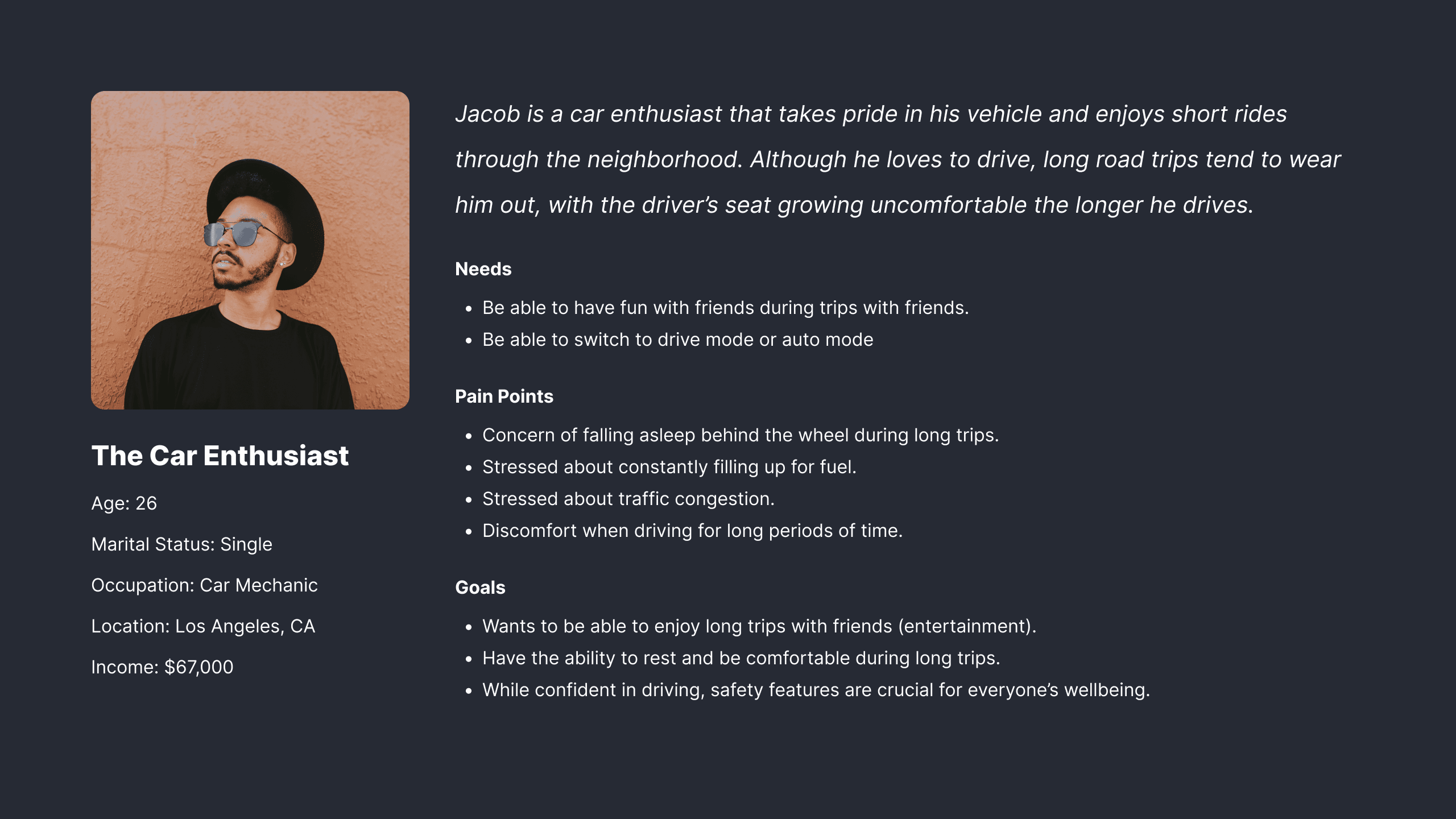
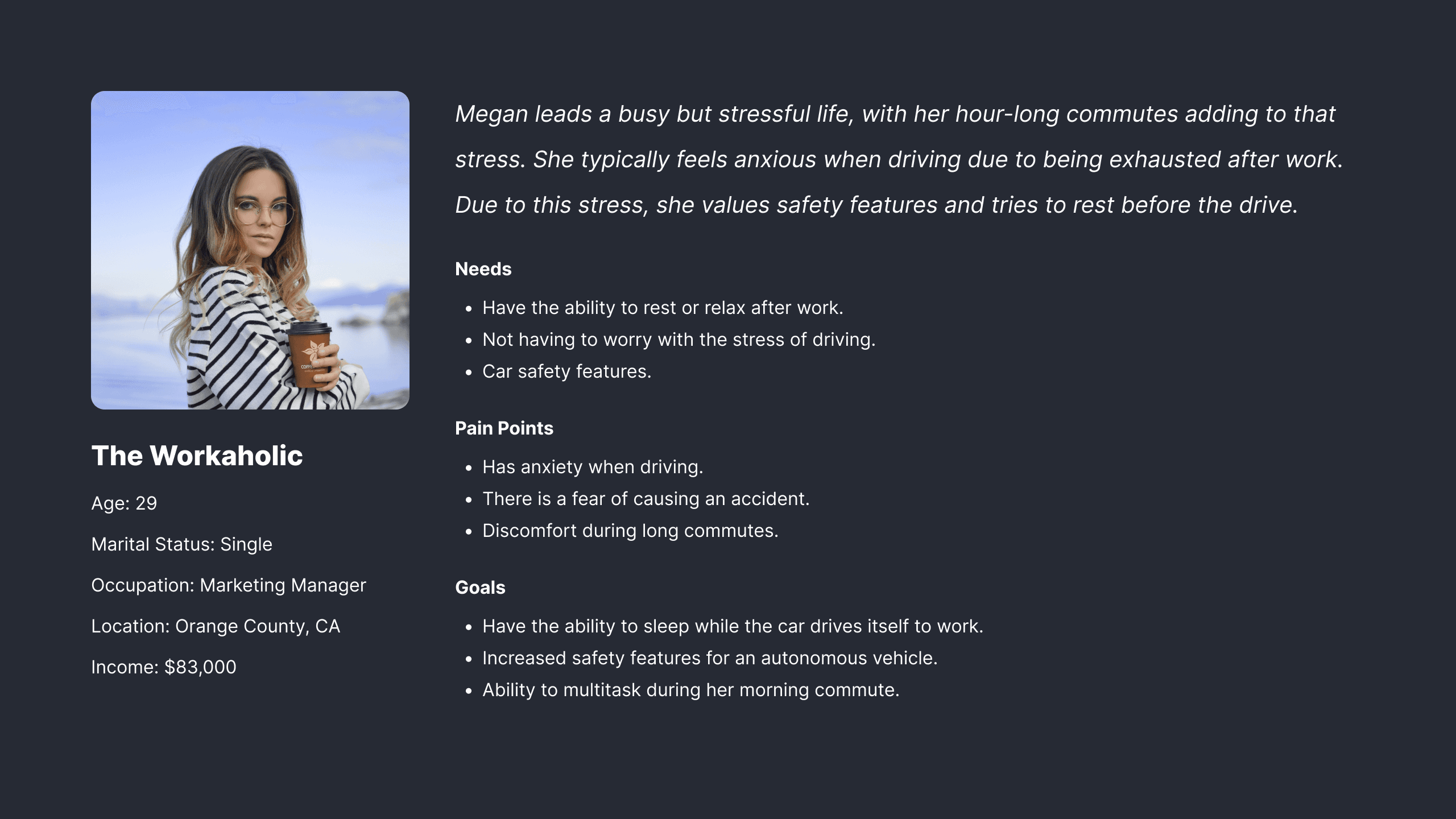
Based off the insights gathered from the survey and empathy map, I developed personas to represent the user. These findings also helped shape essential use cases for the project, outlining the ideal features, user needs, and expectations for the interface.
Based off the insights gathered from the survey and empathy map, I developed personas to represent the user. These findings also helped shape essential use cases for the project, outlining the ideal features, user needs, and expectations for the interface.
IDEATION
IDEATION
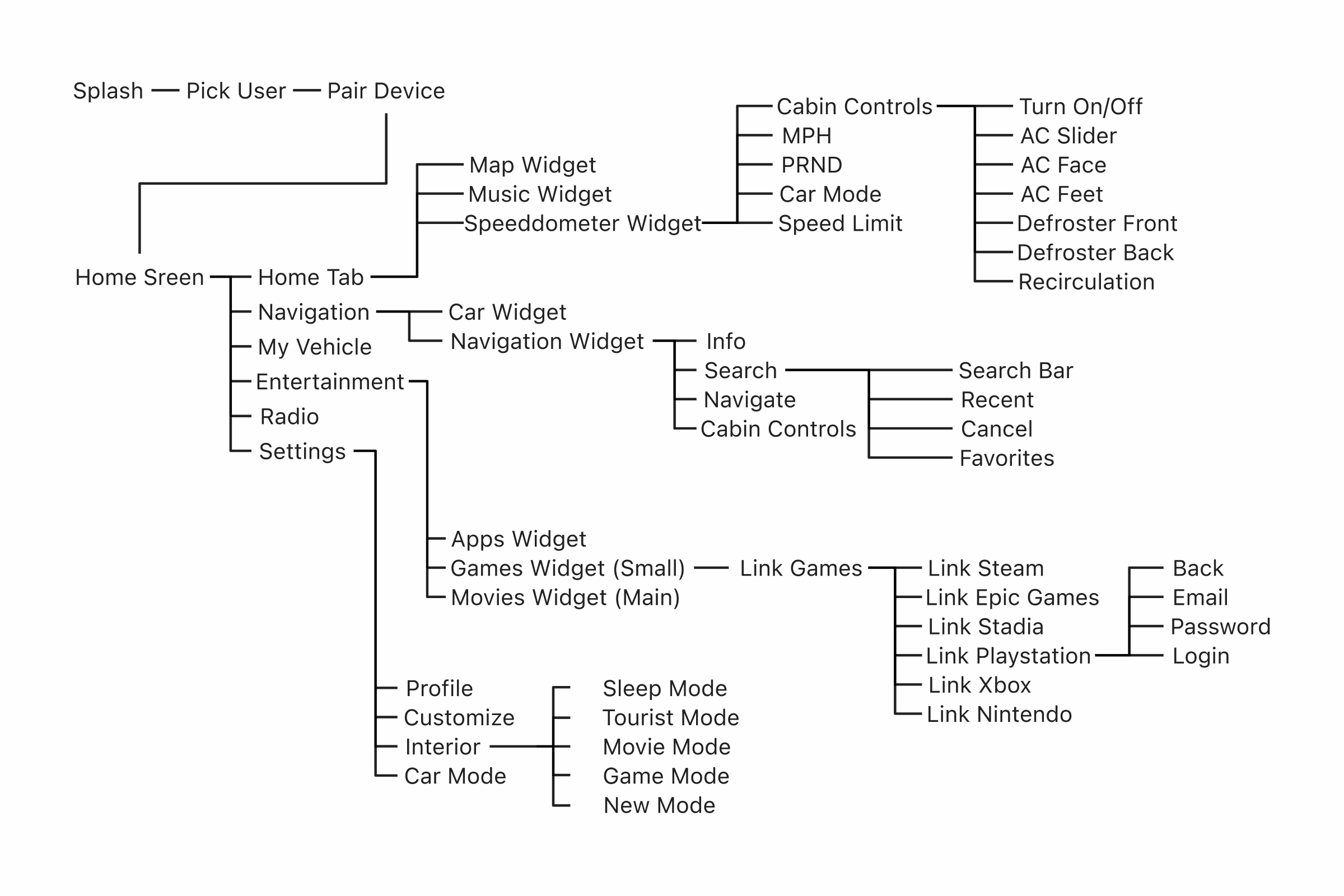
Before starting any sketches, a site map was created to establish a clear structure for the interface and define how users would navigate between each screen.
Before starting any sketches, a site map was created to establish a clear structure for the interface and define how users would navigate between each screen.
Before starting any sketches, a site map was created to establish a clear structure for the interface and define how users would navigate between each screen.
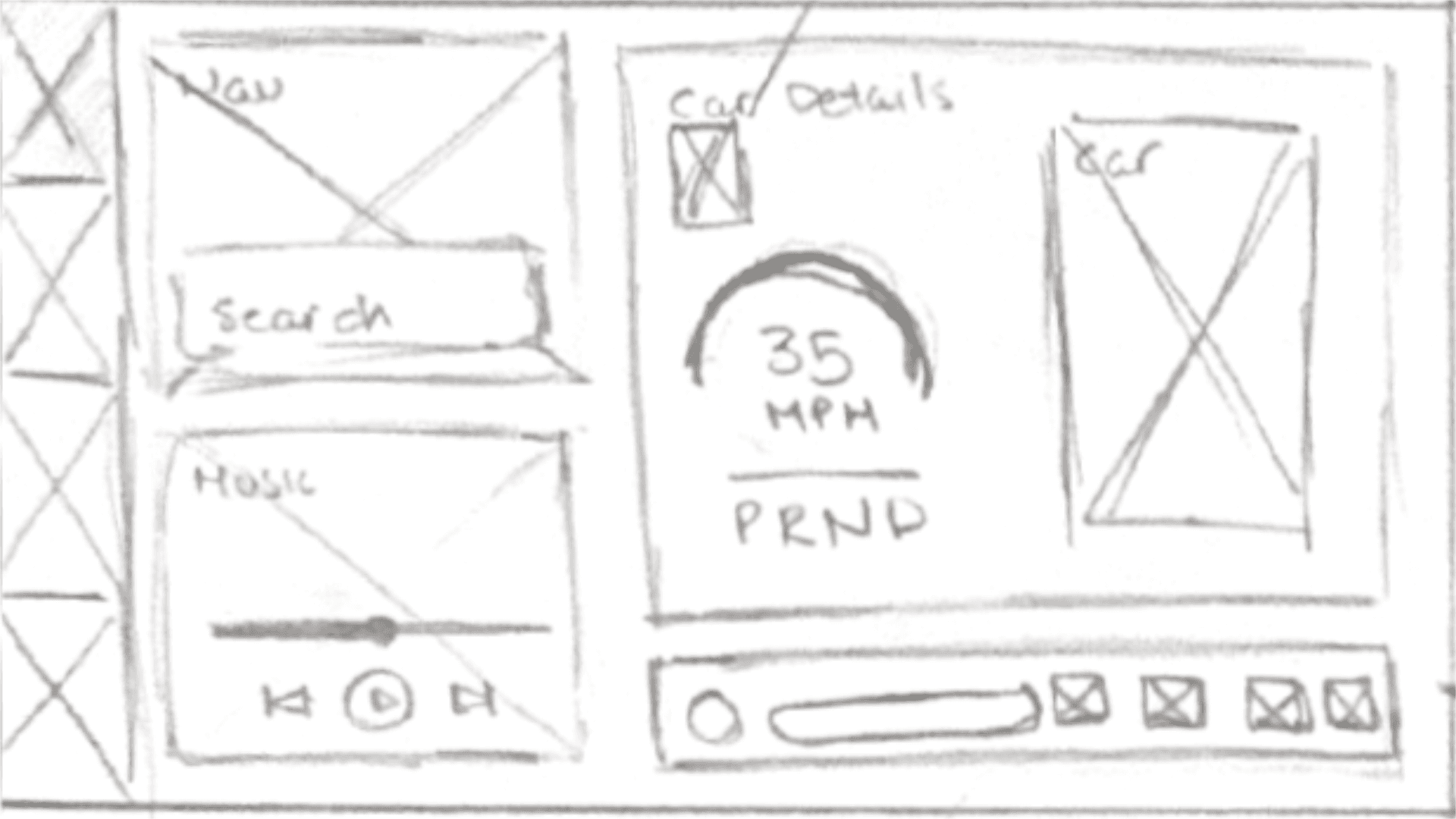
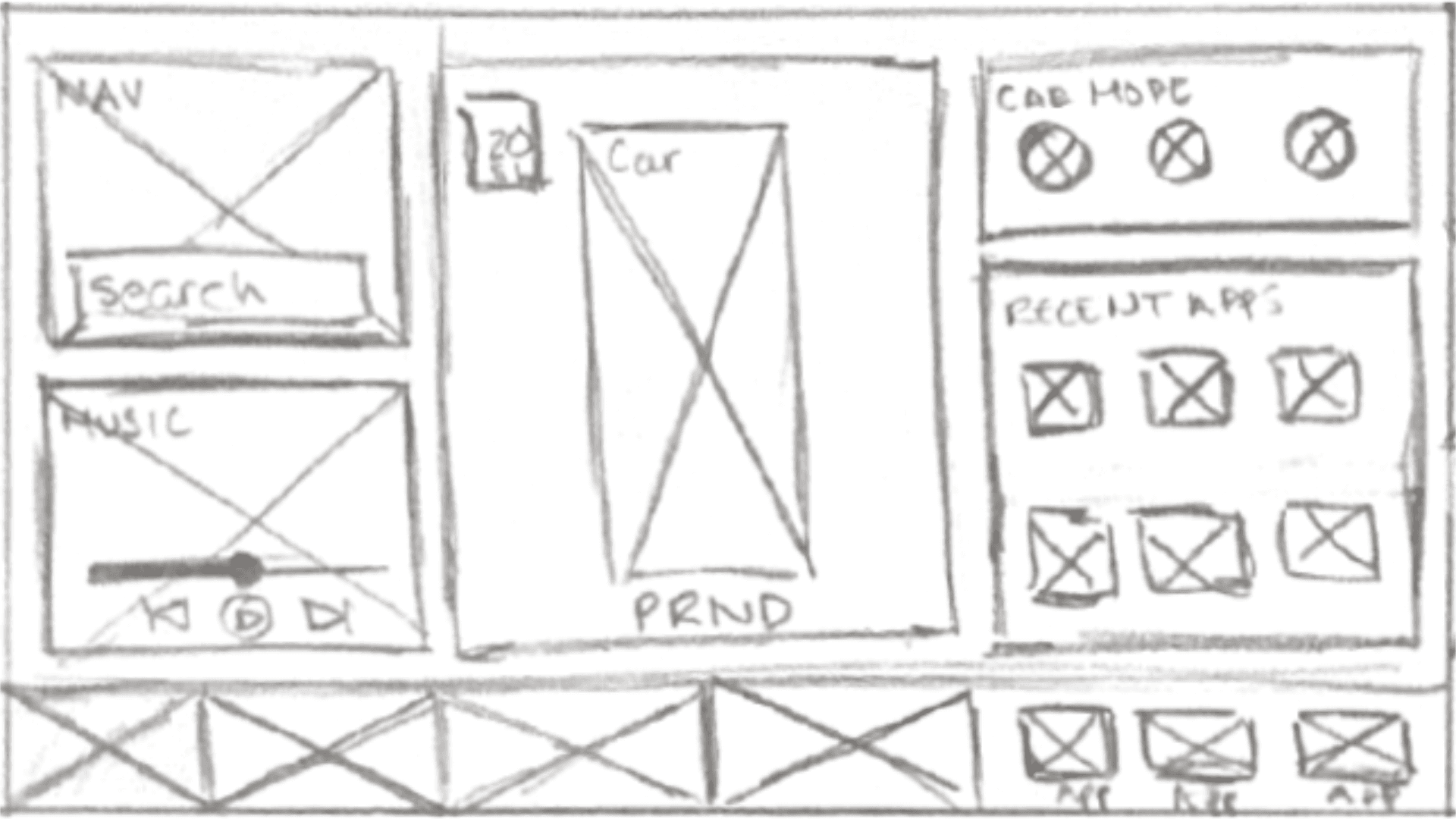
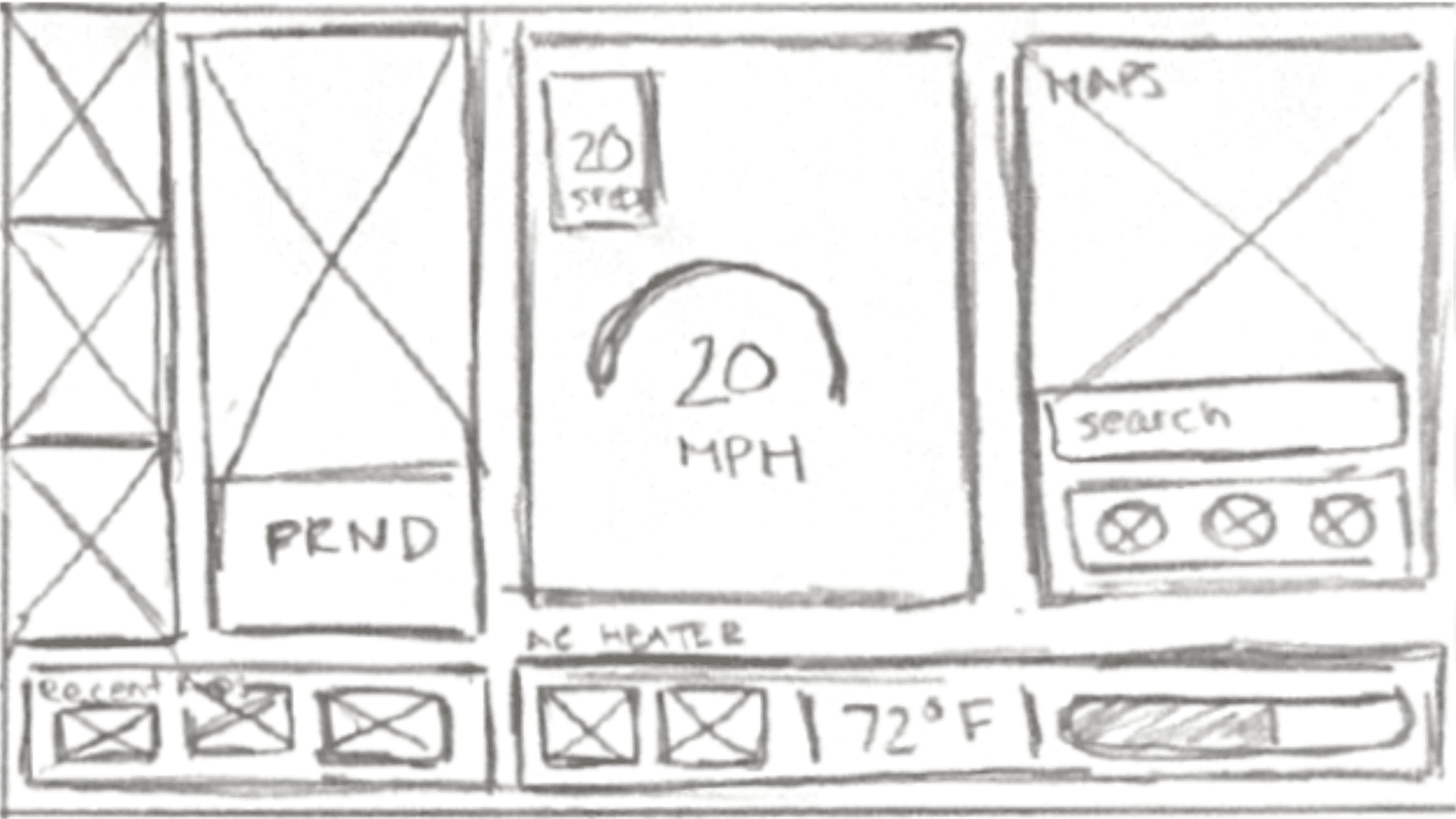
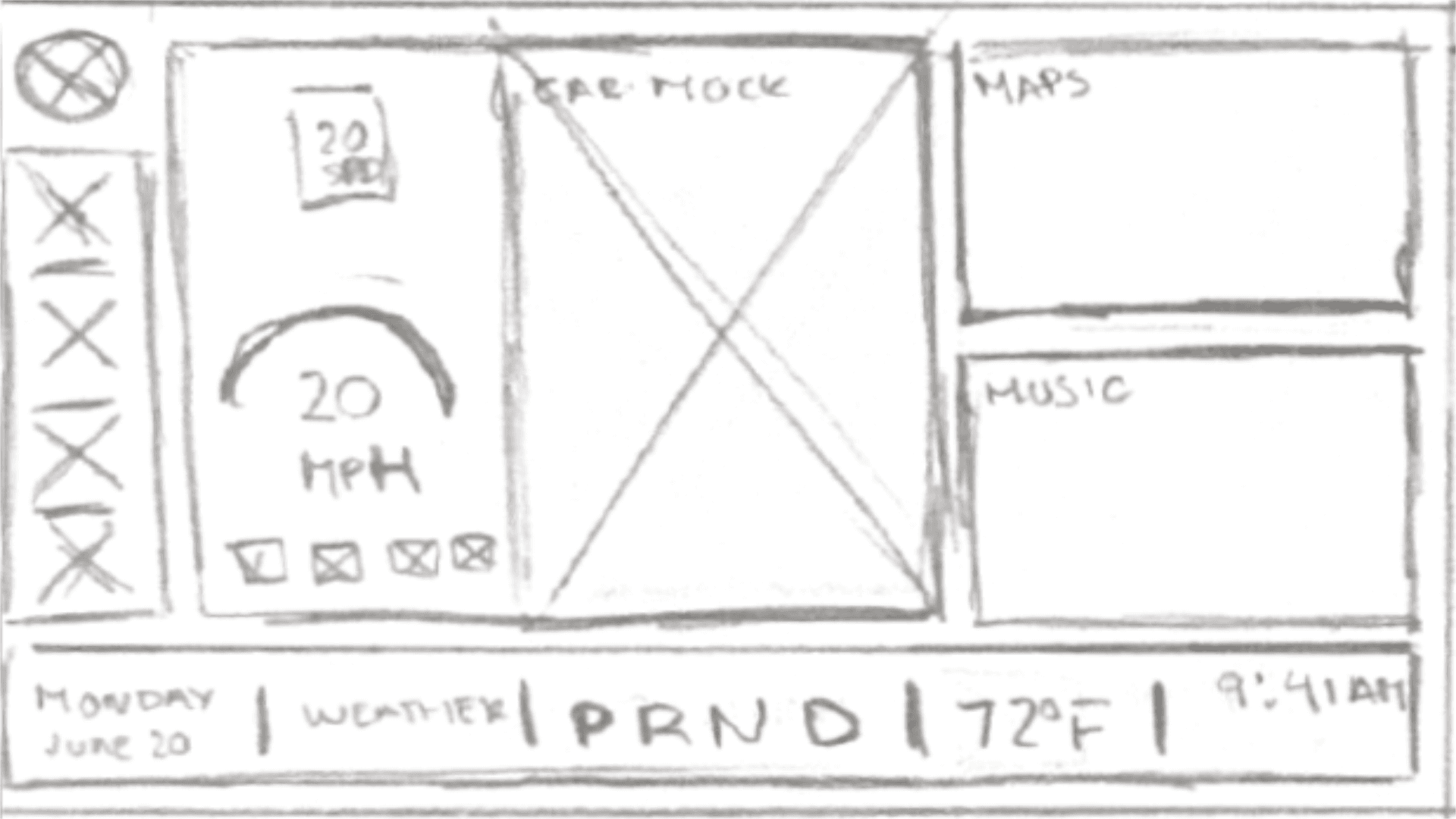
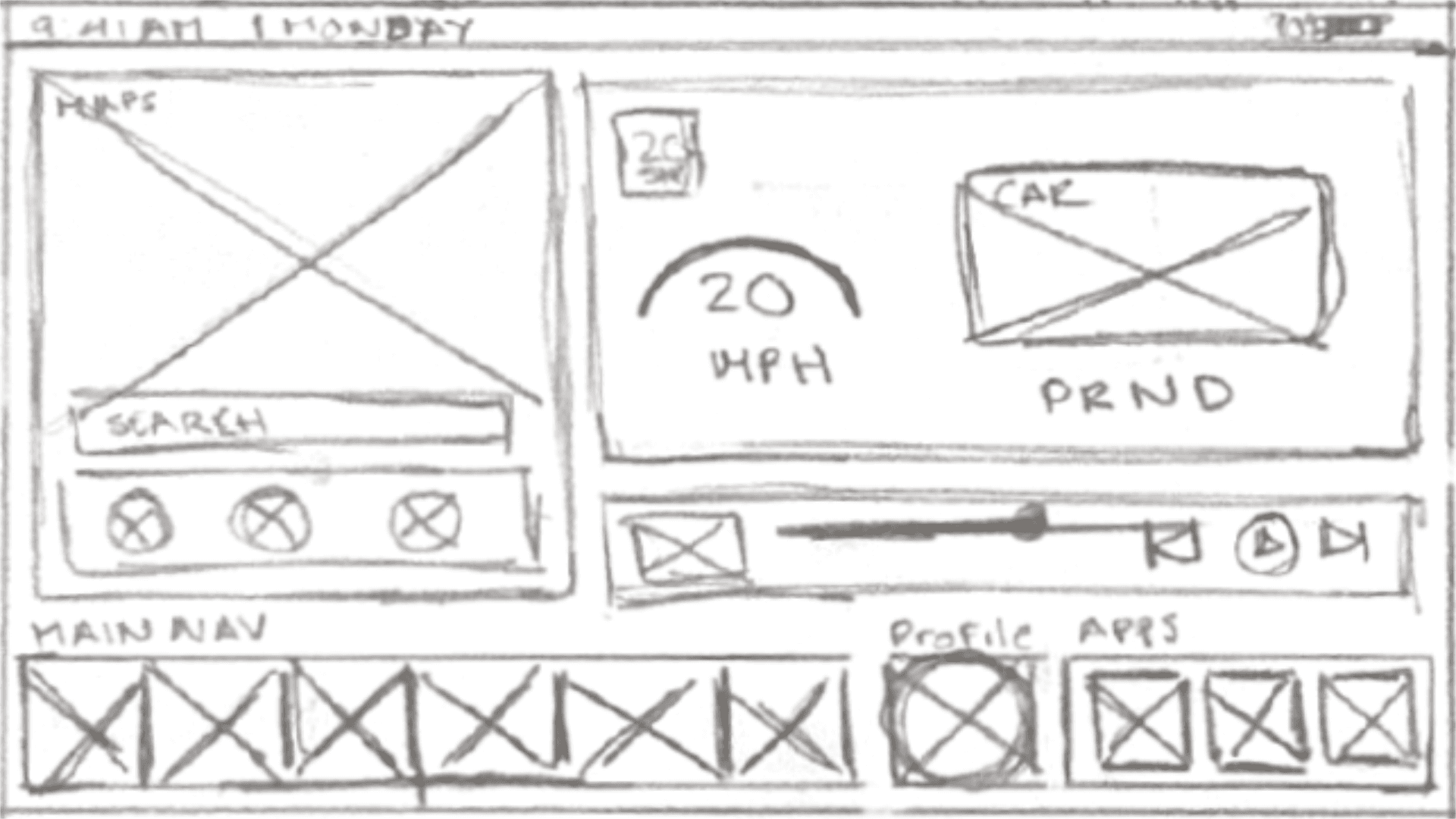
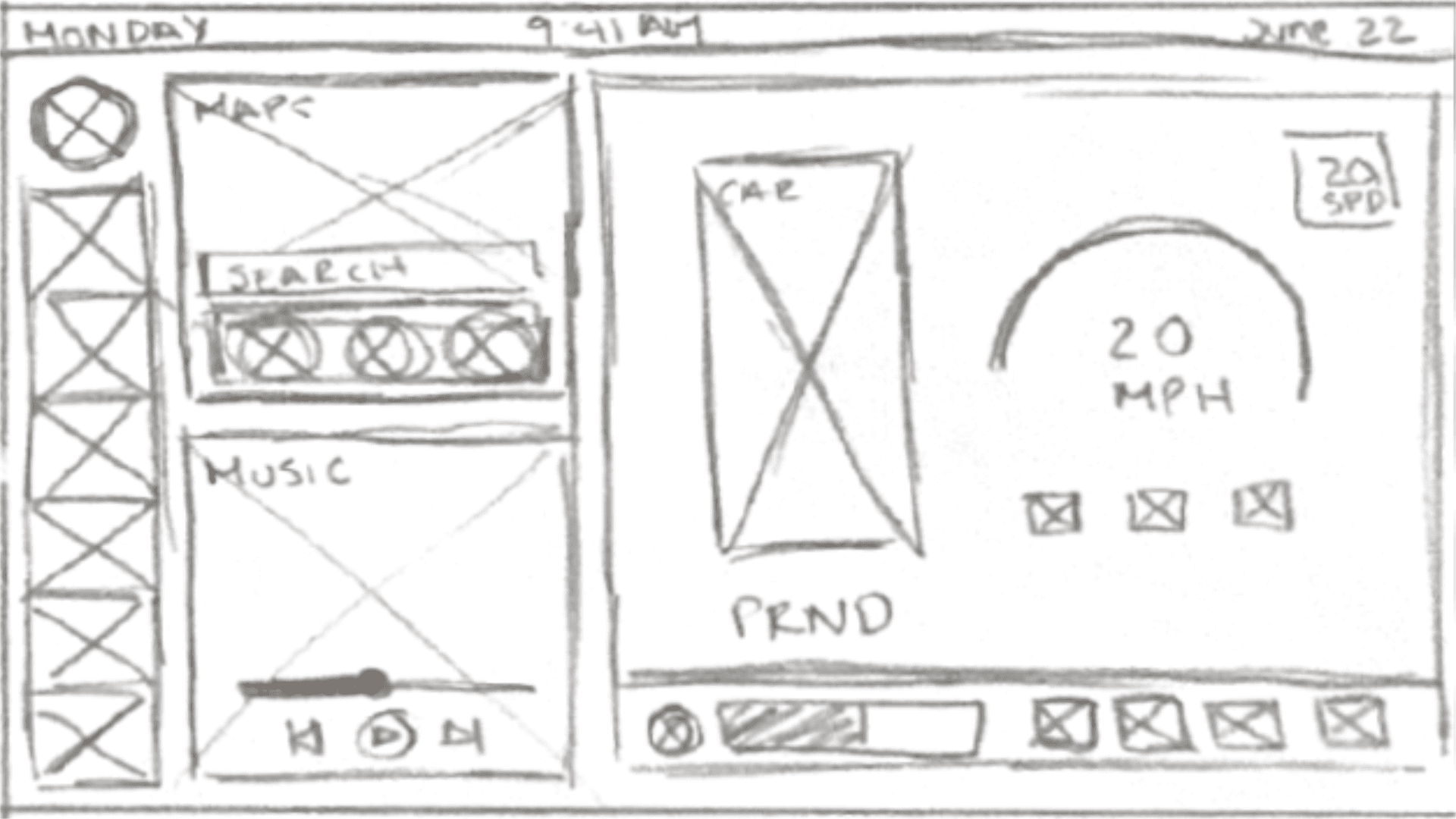
Based on my research, I noticed a common trend among most car interfaces—navigational items are positioned to the left of the screen! This common design solution aligns with the placement of the driver’s seat, making the left portion of the screen the most accessible area for the driver.
Based on my research, I noticed a common trend among most car interfaces—navigational items are positioned to the left of the screen! This common design solution aligns with the placement of the driver’s seat, making the left portion of the screen the most accessible area for the driver.
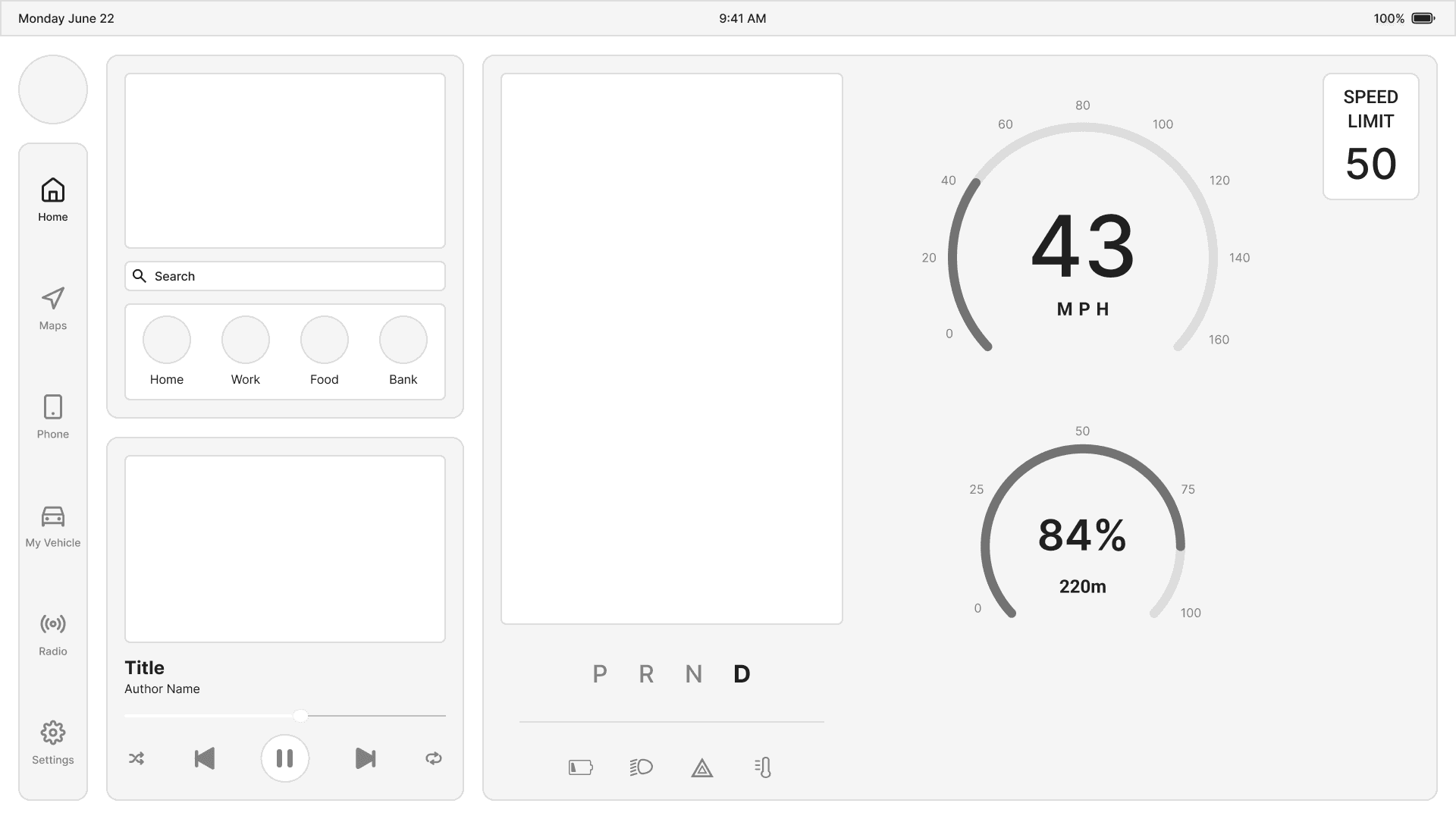
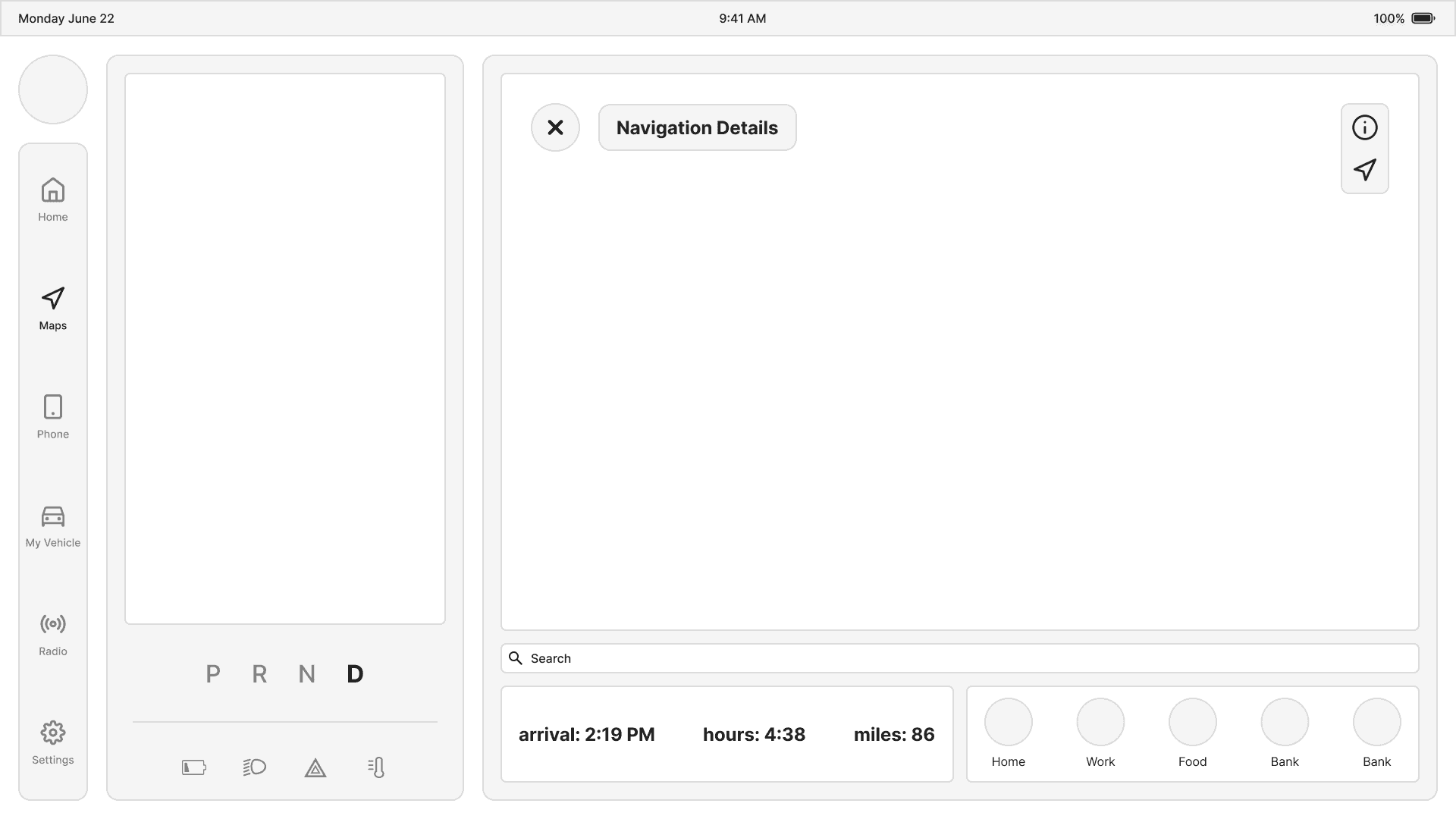
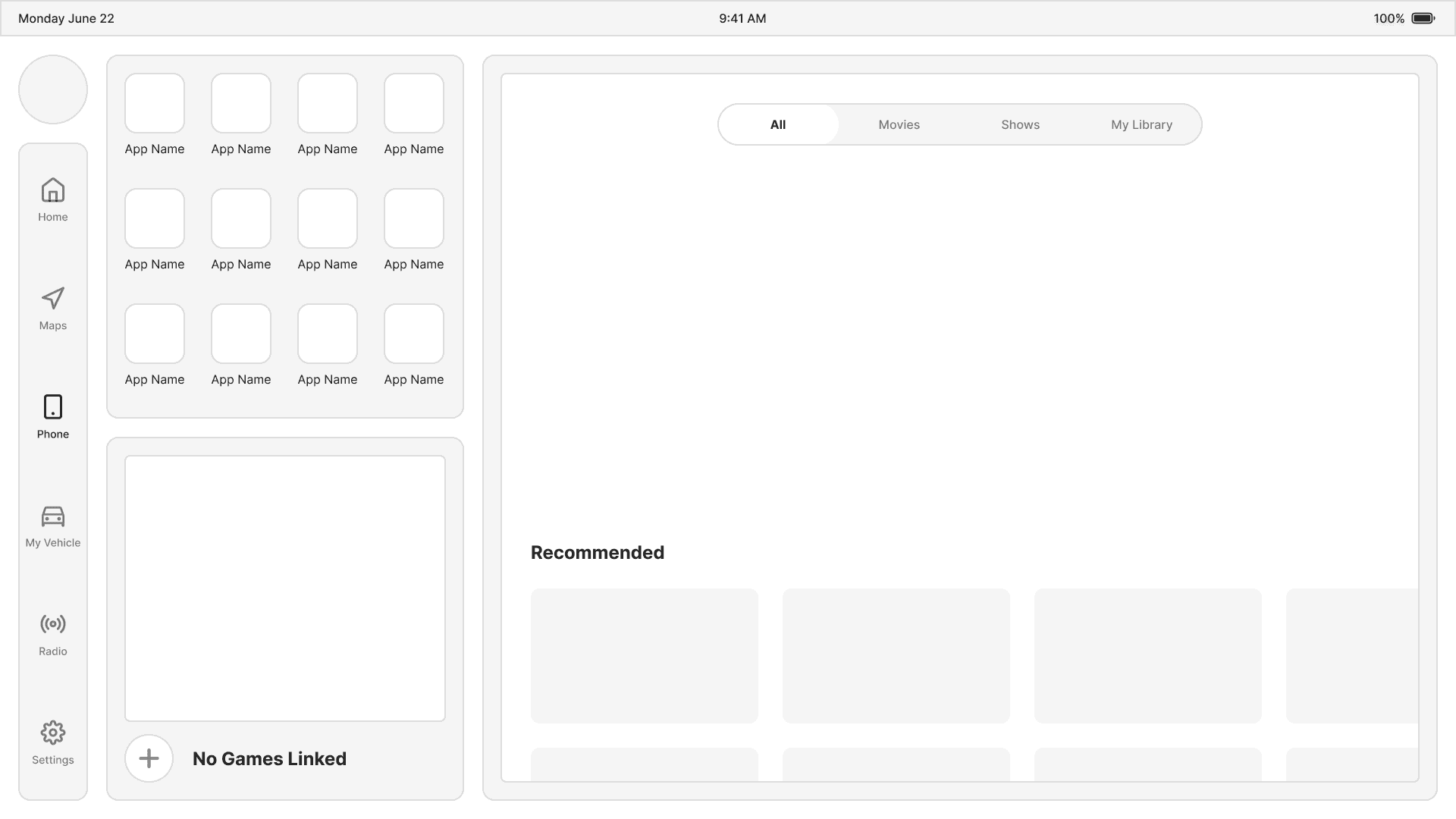
I also kept in mind that the interface needed to be minimalistic yet intuitive, as users would be driving—meaning their primary focus is on the road, and the interface should support them without causing distraction.
I also kept in mind that the interface needed to be minimalistic yet intuitive, as users would be driving—meaning their primary focus is on the road, and the interface should support them without causing distraction.
DESIGNS
DESIGNS
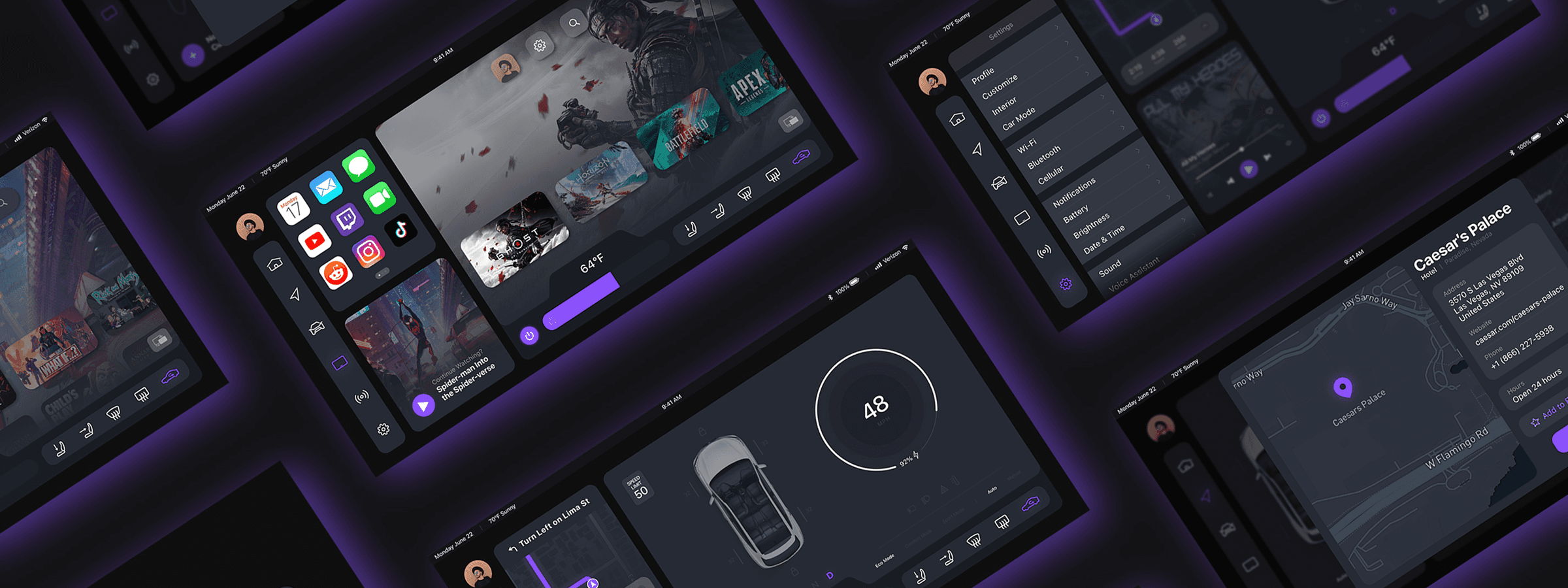
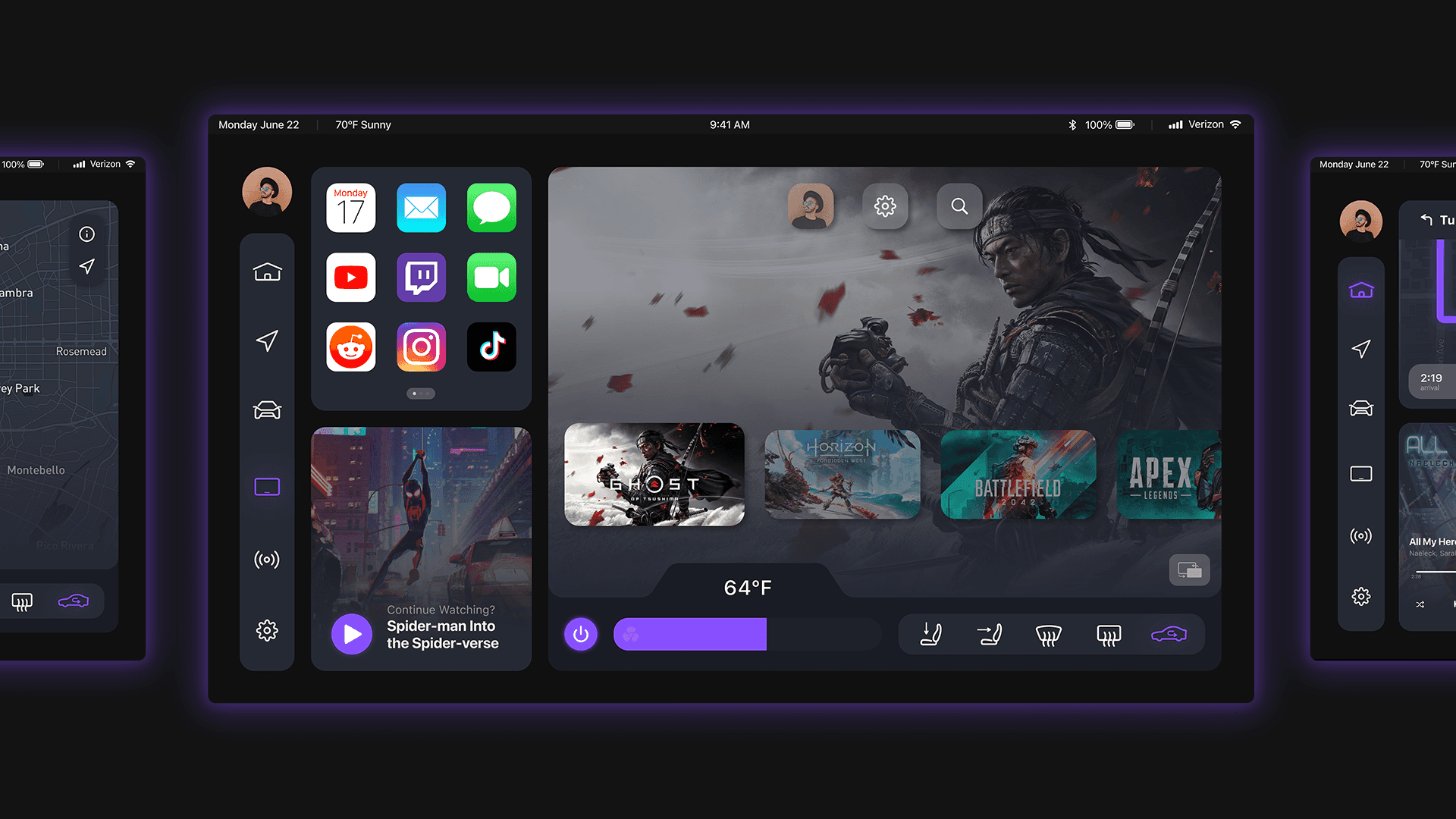
After multiple design iterations, the final interface was completed with a functioning prototype. In the design, I prioritized a left-justified navigation layout for easier accessibility, aligning with standard vehicle design. The interface was created with a dark theme to enhance nighttime usability and reduce eye strain—especially important given users' preference for evening drives. Additionally, I incorporated features like window tinting for added privacy and included entertainment options to make long commutes more enjoyable, with a particular focus on gaming.
After multiple design iterations, the final interface was completed with a functioning prototype. In the design, I prioritized a left-justified navigation layout for easier accessibility, aligning with standard vehicle design. The interface was created with a dark theme to enhance nighttime usability and reduce eye strain—especially important given users' preference for evening drives. Additionally, I incorporated features like window tinting for added privacy and included entertainment options to make long commutes more enjoyable, with a particular focus on gaming.
After multiple design iterations, the final interface was completed with a functioning prototype. In the design, I prioritized a left-justified navigation layout for easier accessibility, aligning with standard vehicle design. The interface was created with a dark theme to enhance nighttime usability and reduce eye strain—especially important given users' preference for evening drives. Additionally, I incorporated features like window tinting for added privacy and included entertainment options to make long commutes more enjoyable, with a particular focus on gaming.
Home
Home
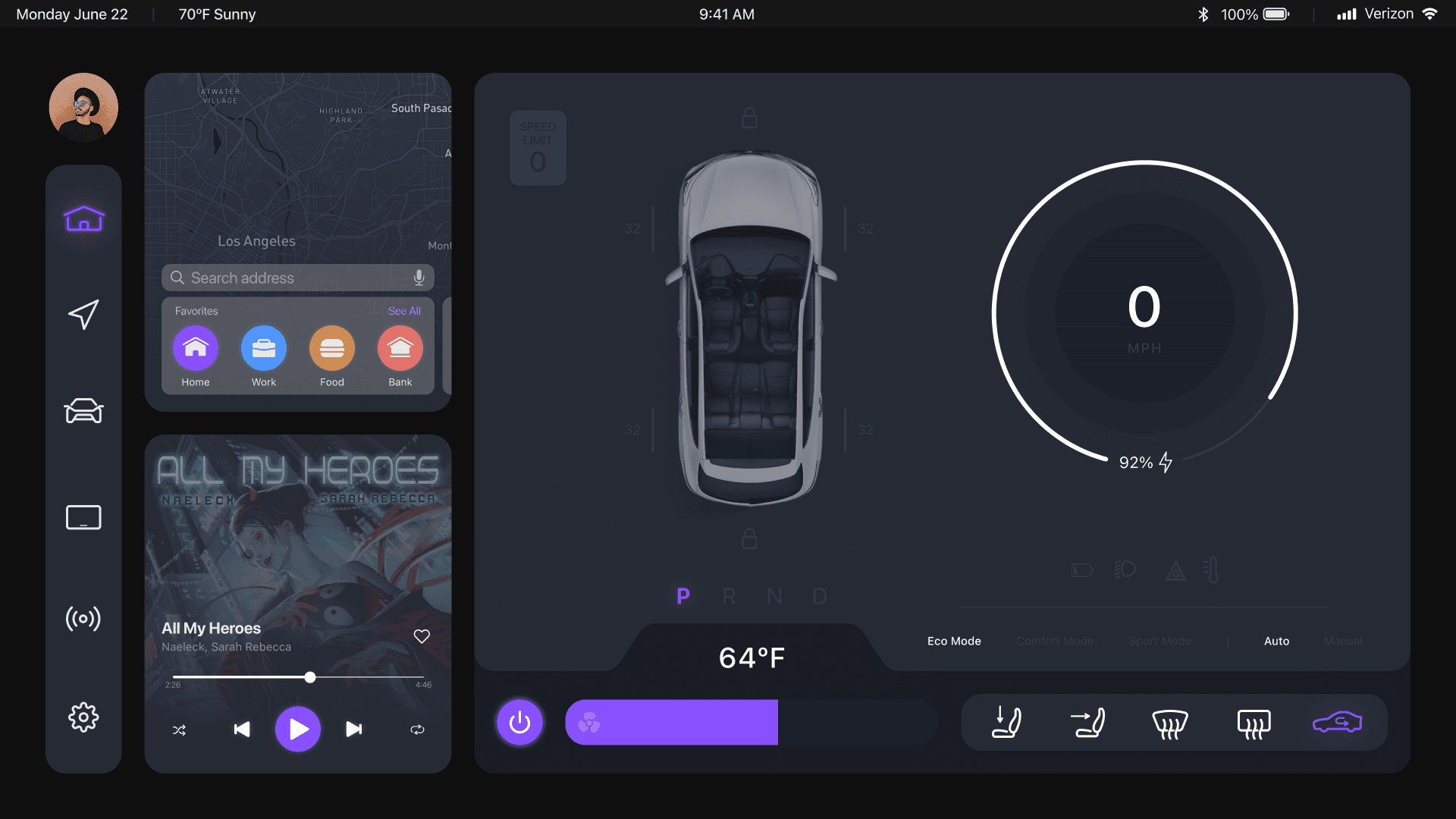
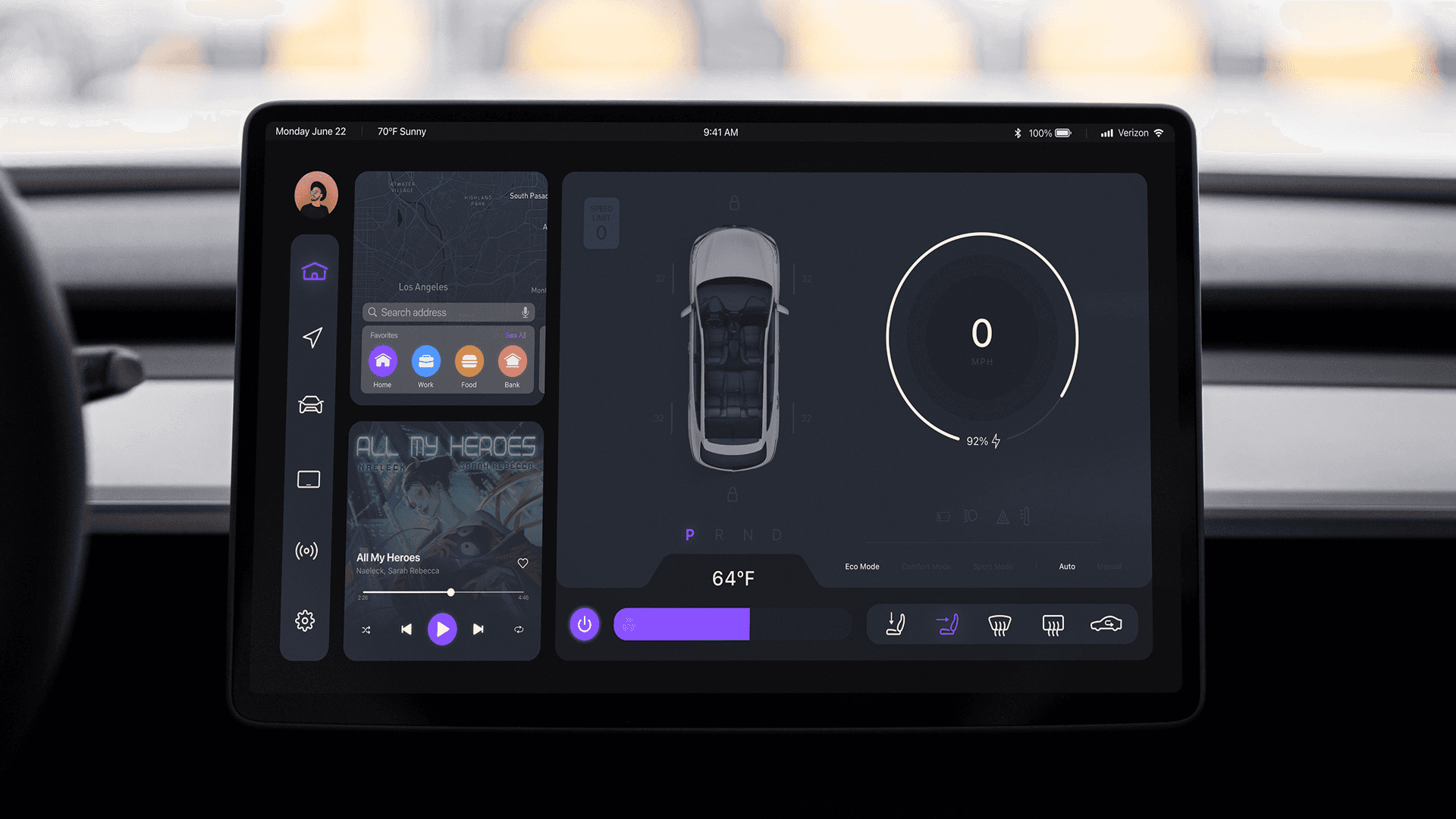
This is the home screen users are greeted with when entering the vehicle. After analyzing common patterns across existing car interfaces, I found that key elements like music, GPS navigation, and vehicle details were consistently featured—so I chose to retain what users are already familiar with. I ensured that the far left consisted of the navigation and music controls, since users interaction with those elements the most. While the right side of the screen is more informational content, with the exception of the cabin controls.
This is the home screen users are greeted with when entering the vehicle. After analyzing common patterns across existing car interfaces, I found that key elements like music, GPS navigation, and vehicle details were consistently featured—so I chose to retain what users are already familiar with. I ensured that the far left consisted of the navigation and music controls, since users interaction with those elements the most. While the right side of the screen is more informational content, with the exception of the cabin controls.
Navigation
Navigation
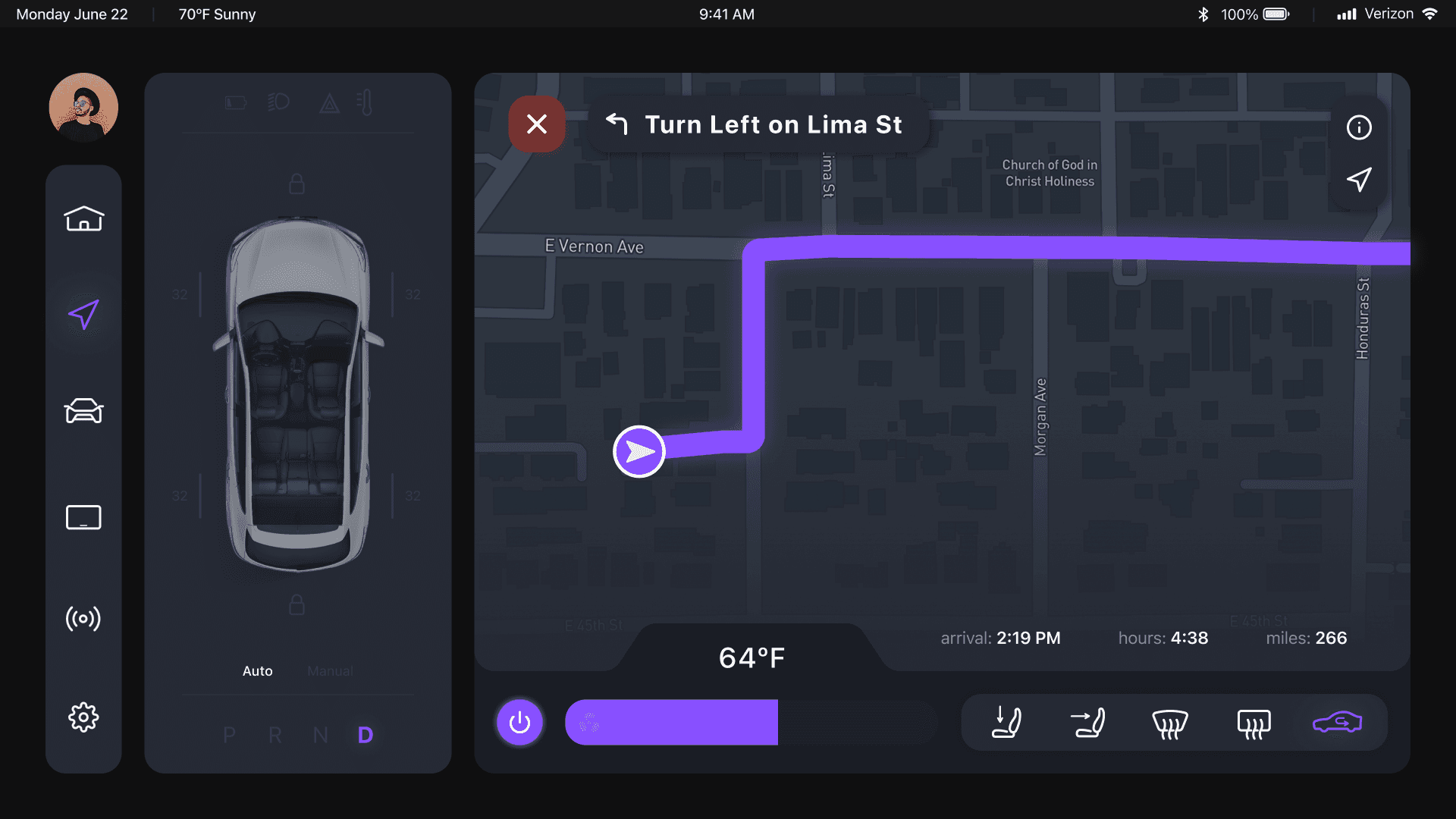
For users who prefer a more in-depth view of the navigation system, a dedicated page is available featuring an expanded map and detailed directions. On the left side of this screen, a more compact version of the vehicle’s information is displayed—demonstrating how the interface adapts responsively across different widget sizes, from small to large.
For users who prefer a more in-depth view of the navigation system, a dedicated page is available featuring an expanded map and detailed directions. On the left side of this screen, a more compact version of the vehicle’s information is displayed—demonstrating how the interface adapts responsively across different widget sizes, from small to large.
Entertainment
Entertainment
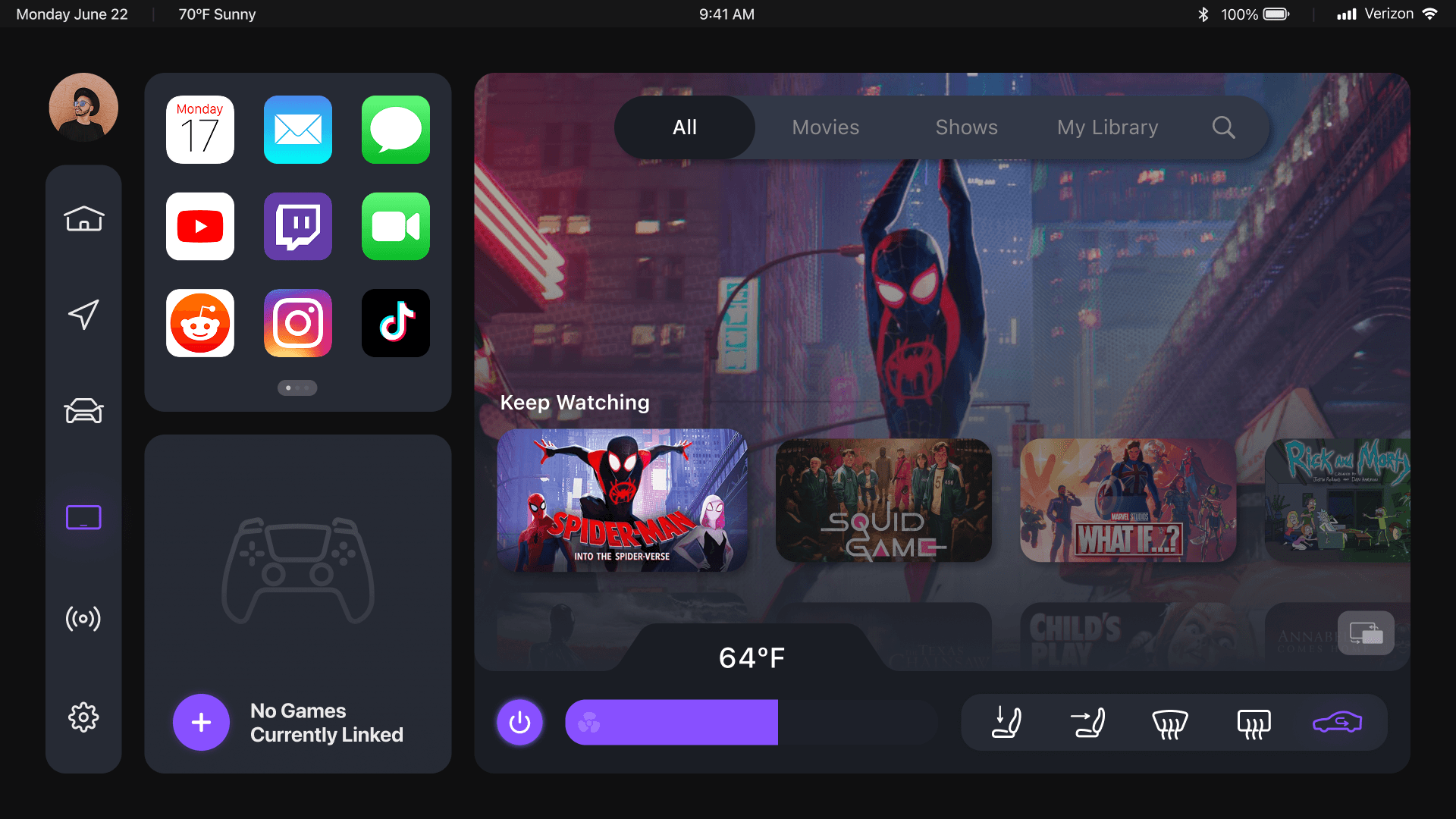
The Entertainment features are only accessible when the vehicle is in autonomous (auto) mode, ensuring the driver remains focused when in manual control. This tab offers a range of entertainment options, including social media, gaming, and streaming shows or movies. It’s designed to help users make the most of their free time—whether they want to relax, unwind, or stay entertained—without the stress of driving.
The Entertainment features are only accessible when the vehicle is in autonomous (auto) mode, ensuring the driver remains focused when in manual control. This tab offers a range of entertainment options, including social media, gaming, and streaming shows or movies. It’s designed to help users make the most of their free time—whether they want to relax, unwind, or stay entertained—without the stress of driving.
LEARNINGS
LEARNINGS
This project was a major learning experience, as it required me to understand current design standards used in existing vehicles while also creating an intuitive interface that goes beyond those standards. While my research for the project helped with creating structure, my main focus was on creating an innovative design. Looking back, this was not the right approach—I should have emphasize on accessibility and a design system.
This project was a major learning experience, as it required me to understand current design standards used in existing vehicles while also creating an intuitive interface that goes beyond those standards. While my research for the project helped with creating structure, my main focus was on creating an innovative design. Looking back, this was not the right approach—I should have emphasize on accessibility and a design system.
This project was a major learning experience, as it required me to understand current design standards used in existing vehicles while also creating an intuitive interface that goes beyond those standards. While my research for the project helped with creating structure, my main focus was on creating an innovative design. Looking back, this was not the right approach—I should have emphasize on accessibility and a design system.
Accessibility
Accessibility
While I did consider usability, such as placing the navigation system in closer proximity to the driver, I overlooked important accessibility standards. If I were to revisit this project, I would prioritize higher visual contrast to better support users with visual impairments. Given that the vehicle is fully autonomous and doesn't require active driving, ensuring it’s accessible to a broader range of users becomes even more essential.
While I did consider usability, such as placing the navigation system in closer proximity to the driver, I overlooked important accessibility standards. If I were to revisit this project, I would prioritize higher visual contrast to better support users with visual impairments. Given that the vehicle is fully autonomous and doesn't require active driving, ensuring it’s accessible to a broader range of users becomes even more essential.
Design System
Design System
Another improvement I would make is building a structured design system. Although the project encouraged creative freedom, having a design system with reusable components would have increased efficiency and ensured consistency across elements like color, typography, and layout. Even with its challenges, this project was a valuable starting point that sparked my passion for product design and continues to influence how I approach design today.
Another improvement I would make is building a structured design system. Although the project encouraged creative freedom, having a design system with reusable components would have increased efficiency and ensured consistency across elements like color, typography, and layout. Even with its challenges, this project was a valuable starting point that sparked my passion for product design and continues to influence how I approach design today.